Archaeological Area of Volsinii at Poggio Moscini
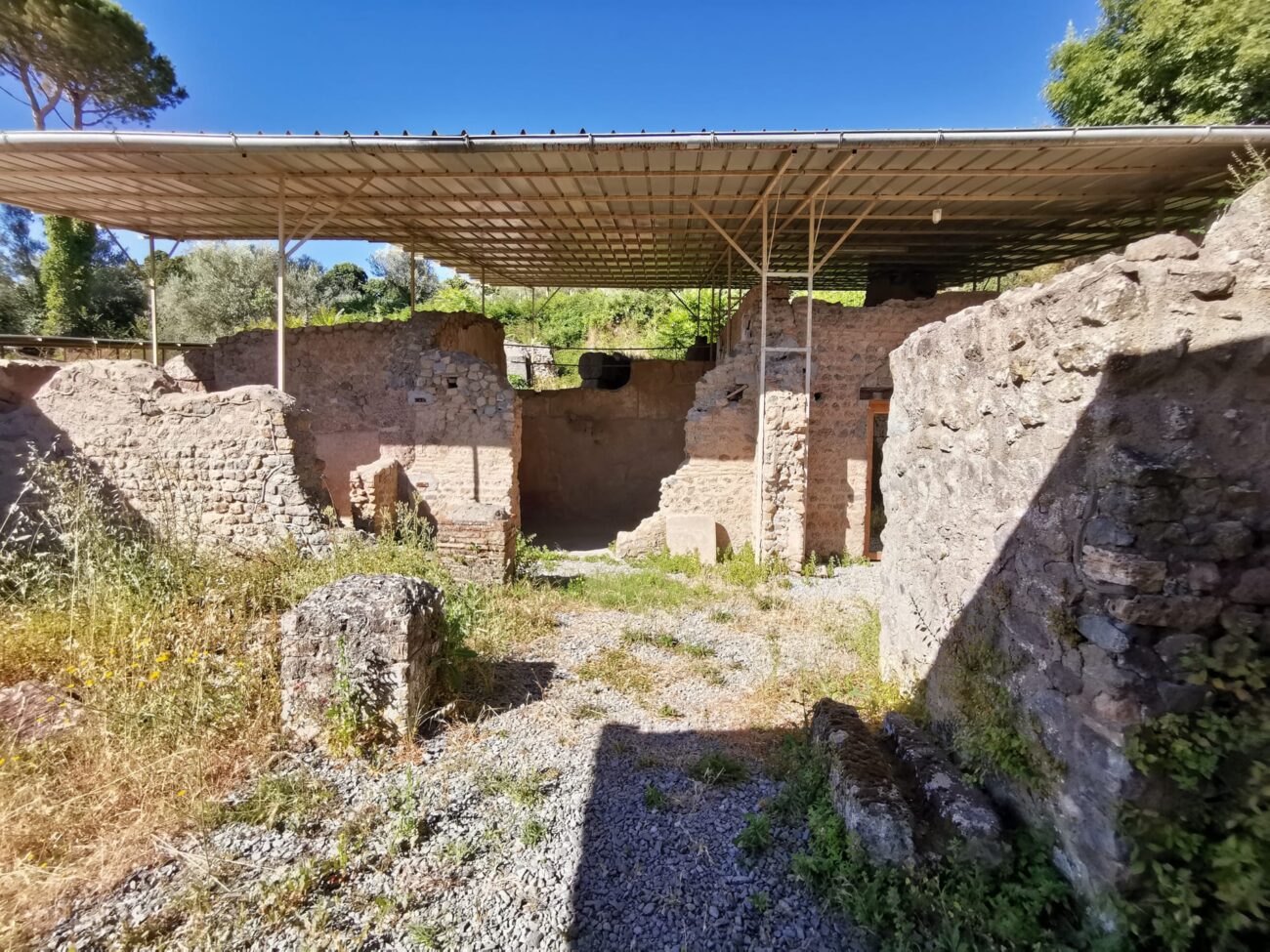
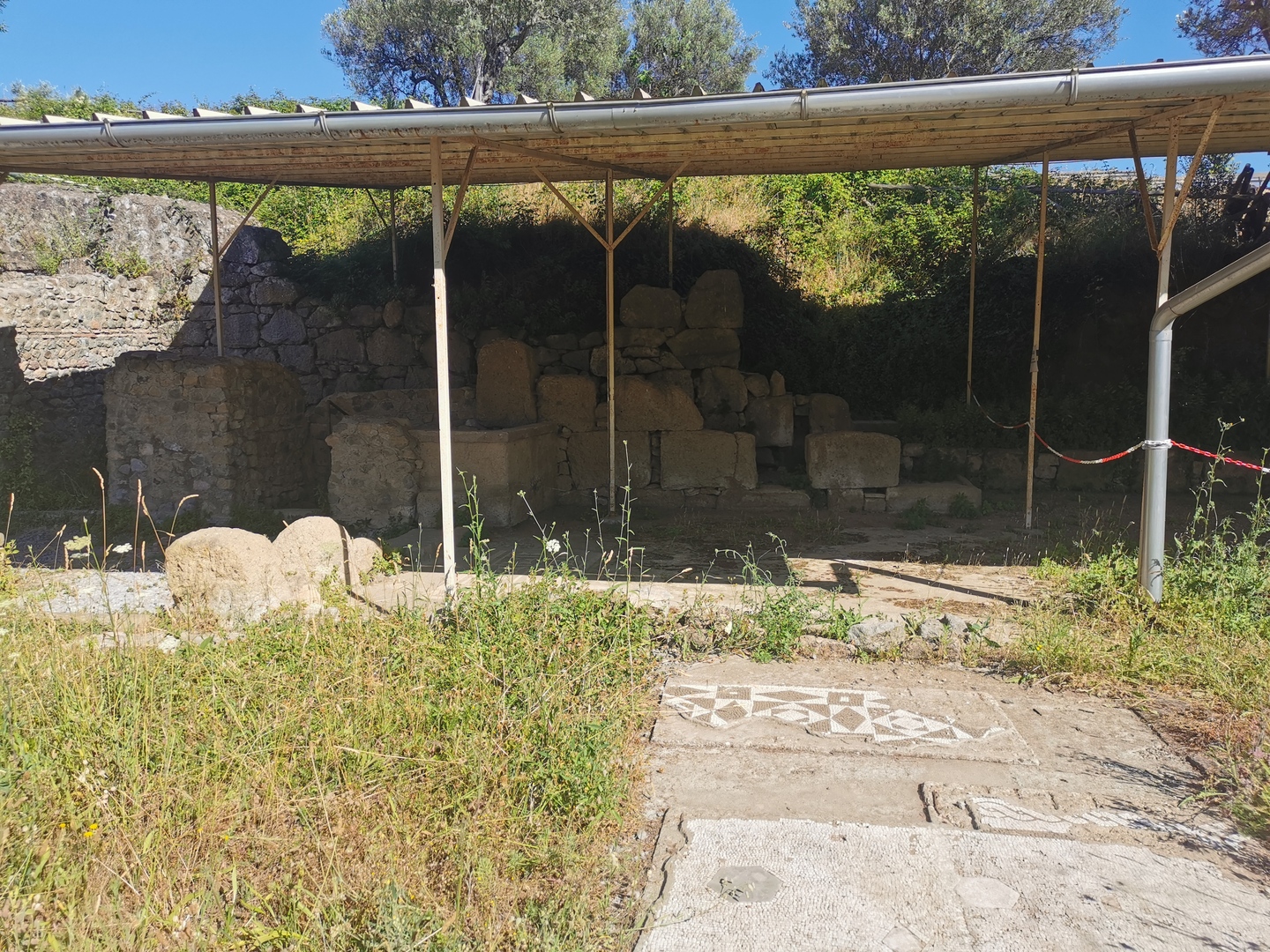
The archaeological area preserves the remains of the ancient Etruscan-Roman city of Volsinii, offering a journey through temples, domus and testimonies that tell the origins of Bolsena.
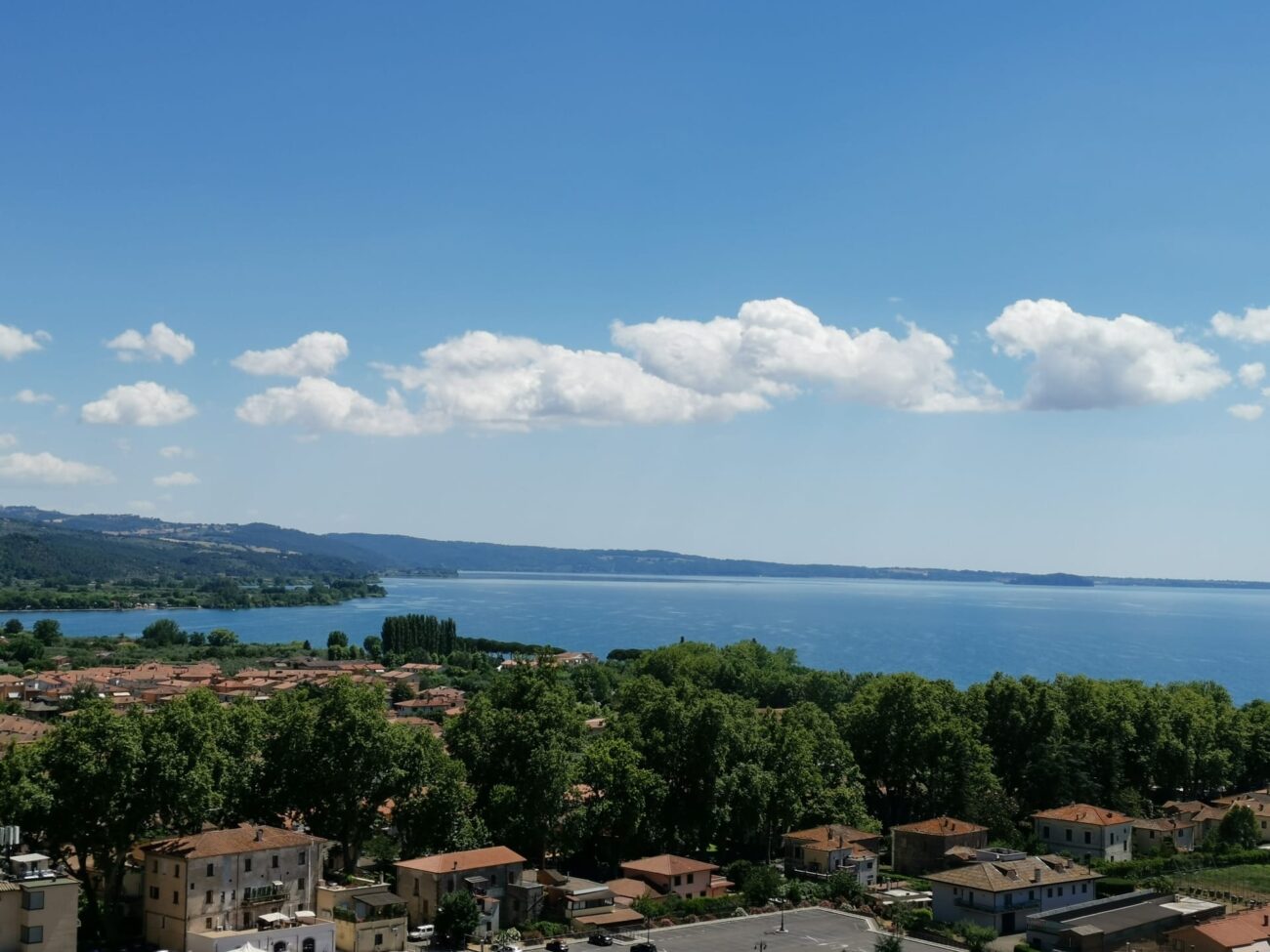
After the destruction of Velzna (Orvieto) by the Romans in 264 BC, the Etruscan population founded a new city on the shores of the lake: Volsinii, ancestor of present-day Bolsena.
Urban development intensified a century later, with the opening of the Via Cassia, which made the city a strategic point for controlling traffic. Between the 1st century BC and 1st century AD, Volsinii experienced its maximum splendor, enriched with public and private monuments thanks to civic patronage: theater, baths, basilica, forum and amphitheater. In the imperial era, public and residential spaces expanded and a new monumental square was built with an attached civic basilica. From the 3rd century AD a slow decline began, culminating in the 5th century with the abandonment of the city and the transfer of inhabitants to the hill where Bolsena stands today.
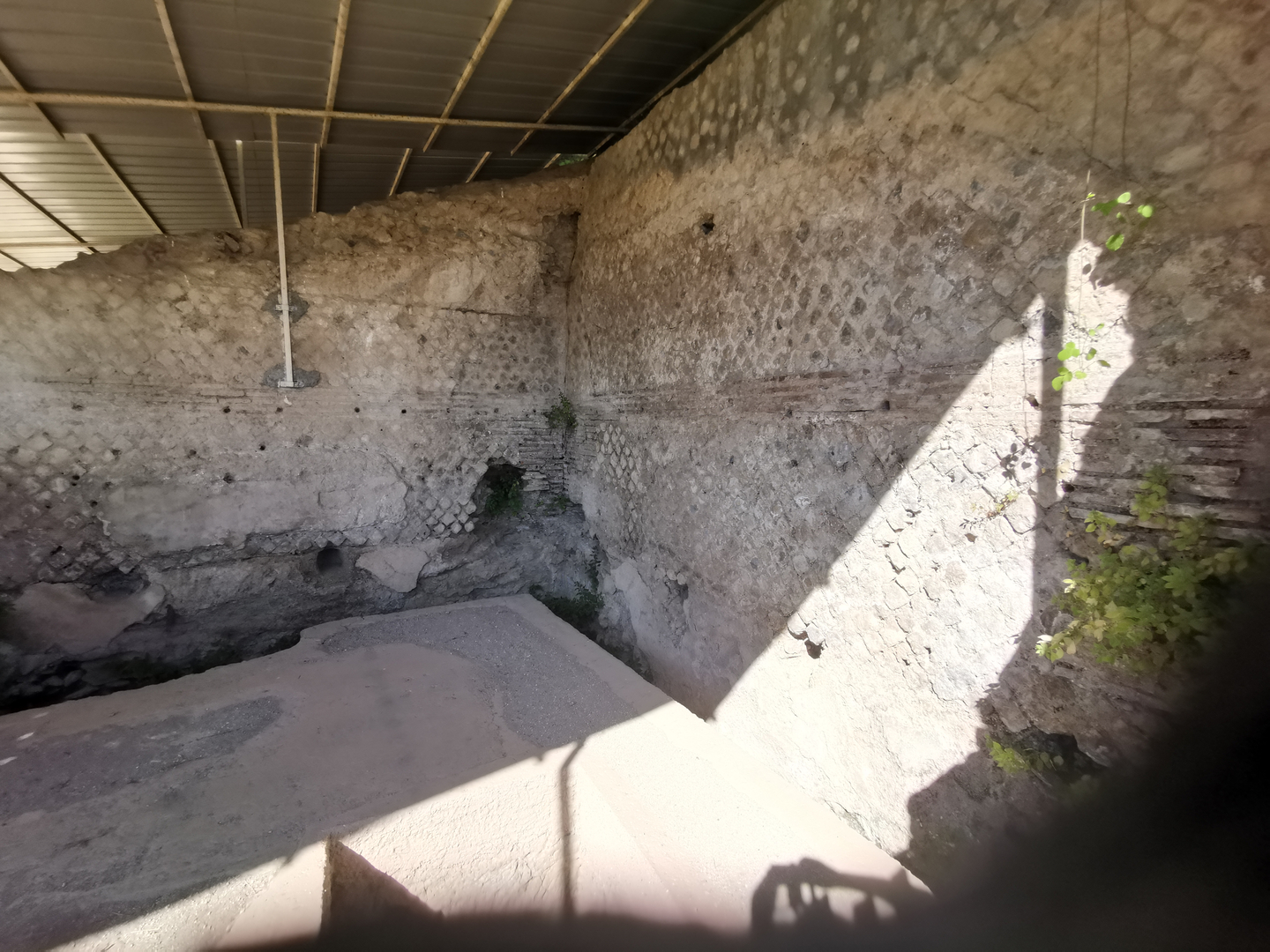
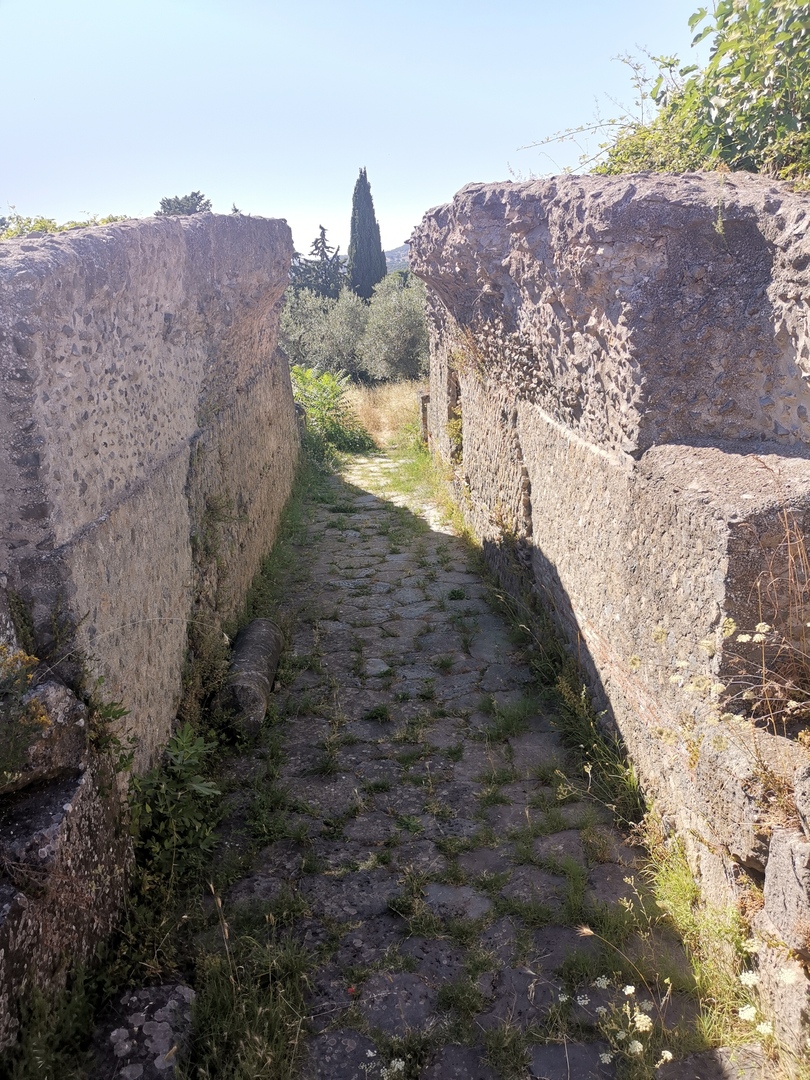
Excavations conducted by the French School of Rome at Poggio Moscini have brought to light the forum with the basilica, shops, warehouses, a decorated latrine and a covered street that connected the public center to the residential domus.
Among these stand out:
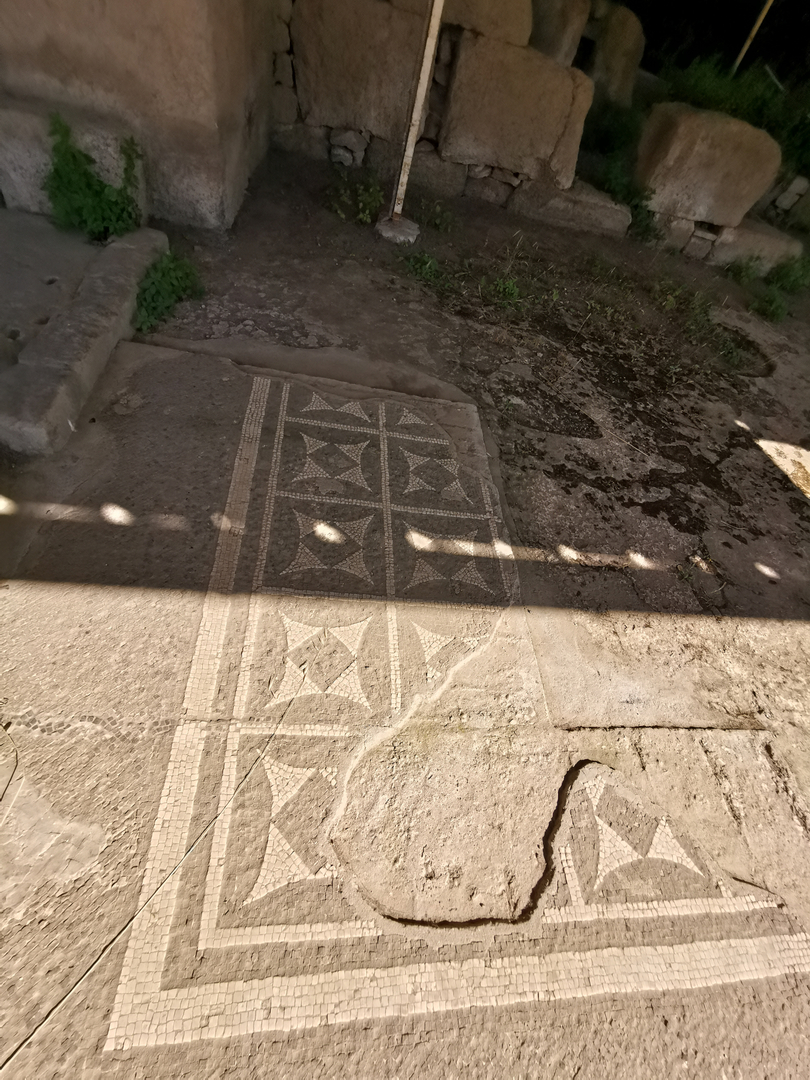
- The House of the Nymphaeum, a luxurious residence decorated with statues and reliefs;
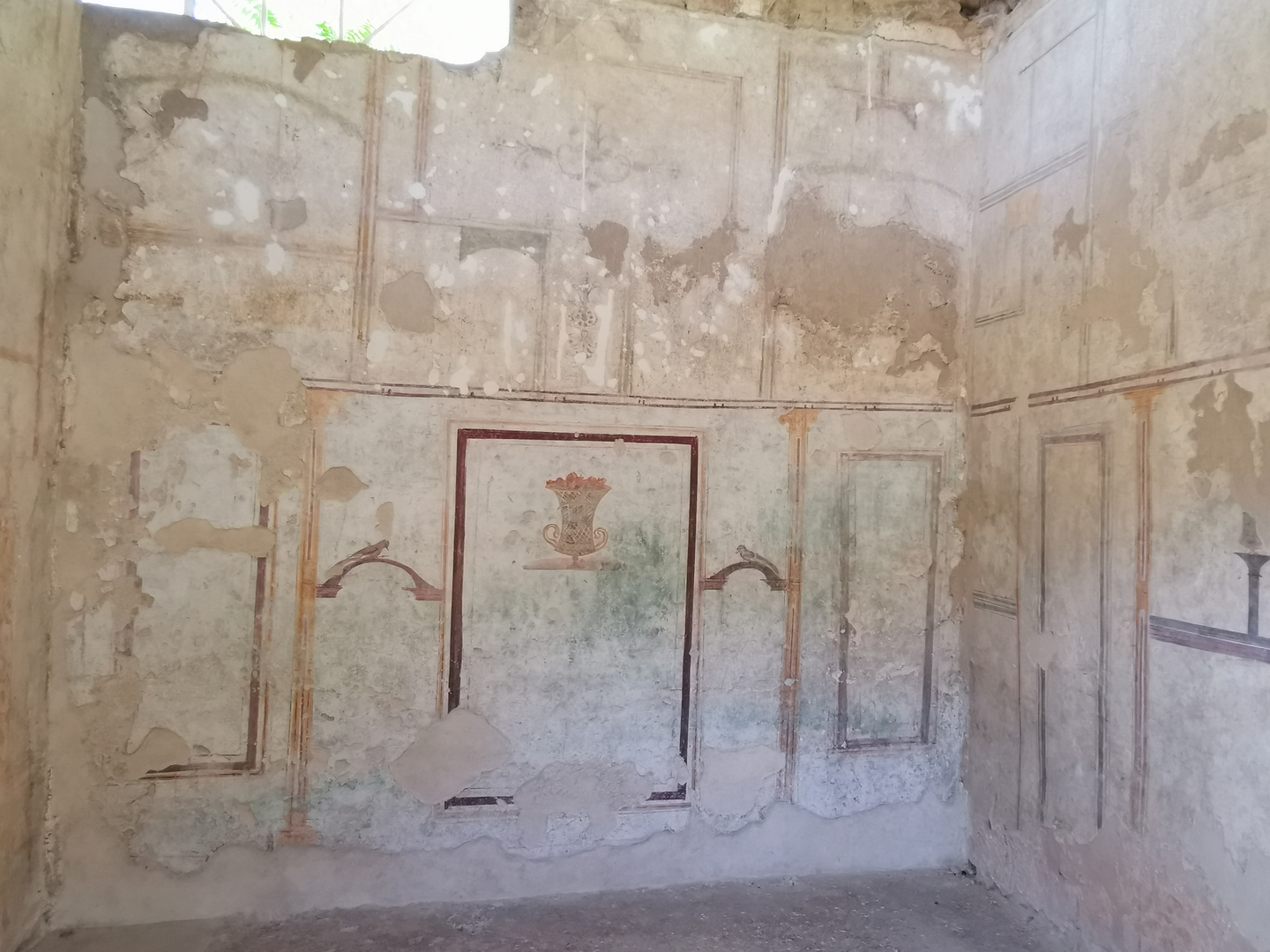
- The House of the Paintings, with frescoes from the 3rd century AD and artifacts related to the cult of Dionysus, including the famous Throne of the Panthers.
Volsinii also possessed a theater, a library, an amphitheater, temples and thermal baths. The most significant finds – sculptures, frescoes, ceramics – are now displayed in the Territorial Museum of Lake Bolsena, housed in the Rocca Monaldeschi.
WINTER HOURS: Tuesday to Saturday: 8am-1:30pm
SUMMER HOURS: Tuesday and Thursday: 2pm-7:30pm
WEDNESDAY, FRIDAY and SATURDAY: 8am-1:30pm
FIRST AND THIRD SUNDAY OF THE MONTH: 8am-1:30pm
Plan Your Visit

Storyteller of the beauty, art, history and culture of Lake Bolsena and its surroundings, territories where I grew up and which I can share with the professionalism and passion of a local tour guide.
9:00 AM / 7:00 PM
Telling the story of this land is not just about unveiling secrets and frescoes, it is about returning the light that this lake and this town give me every day, with a devotion that transcends time.
9:00 AM / 7:00 PM
My teaching profession has refined my ability to communicate. You cannot teach or illustrate art and creation without sharing a passion for beauty with others. A guide is not a book—it is the synthesis of all books and meaningful experiences from which they have drawn their knowledge, in order to share history and stories with everyone.
9:00 AM / 7:00 PM
I believe being an ambassador for the place where you were born is a great privilege. Leading Italian and international visitors through the story of Bolsena's artistic, natural and cultural wonders is a stimulating experience that enriches your own knowledge while sharing it with others.
9:00 AM / 7:00 PM
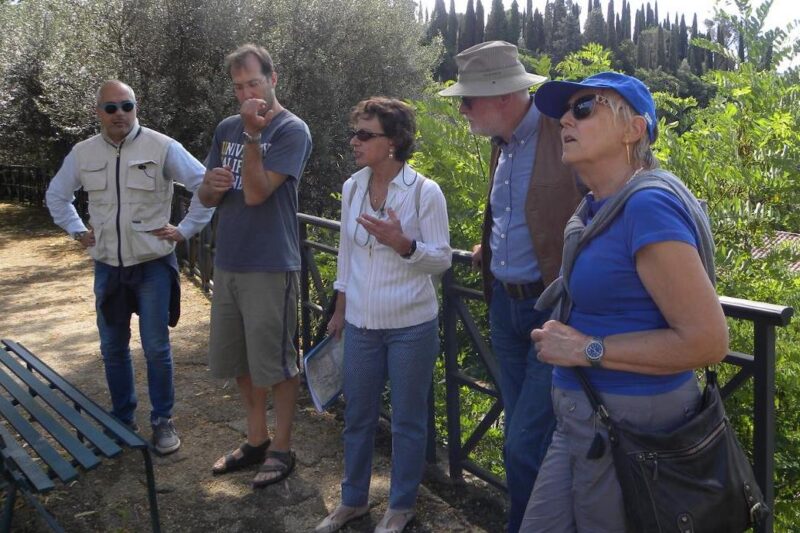
Telling Bolsena's thousand-year history through dedicated guided tours means giving the town back to its people and helping visitors discover our remarkable cultural heritage.
9:00 AM / 7:00 PM