Basilica of Santa Cristina
In the heart of Bolsena, a treasure chest of art and ancient faith: a place where history, legend and miracle intertwine.
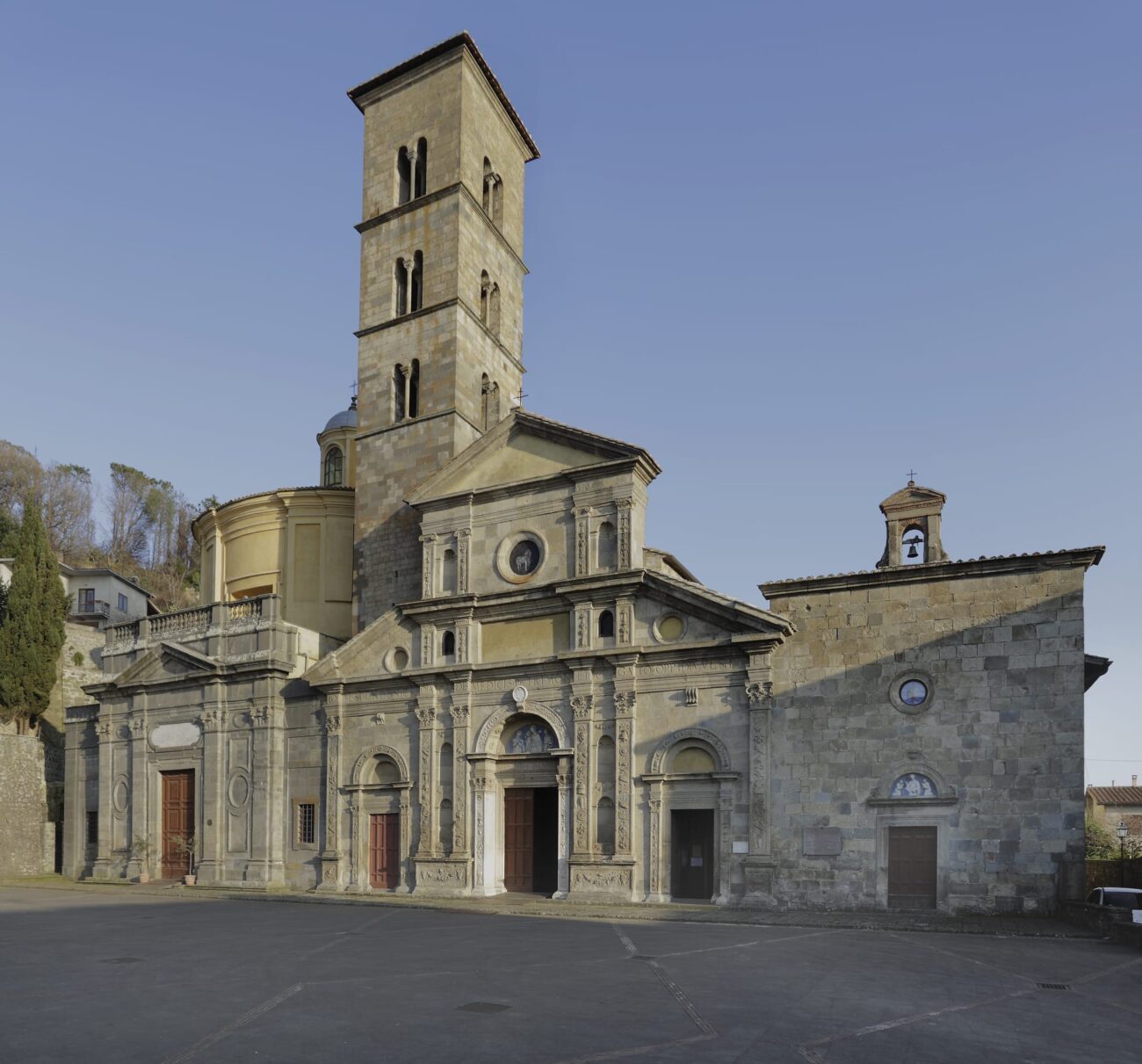
The Basilica, of Romanesque origins, is one of the most significant places in the city. First mentioned in 1115, tradition attributes its foundation to Matilda of Canossa and Pope Gregory VII, built on a previous early Christian church.
The first record of the existence of the church of Santa Cristina, elevated by Pope Paul VI to the rank of minor basilica, is found in a document from 1115. However, tradition attributes its construction to the will of Matilda of Canossa, devoted to Saint Cristina, and Pope Gregory VII, built on what was probably an early Christian basilica.
EXTERIOR
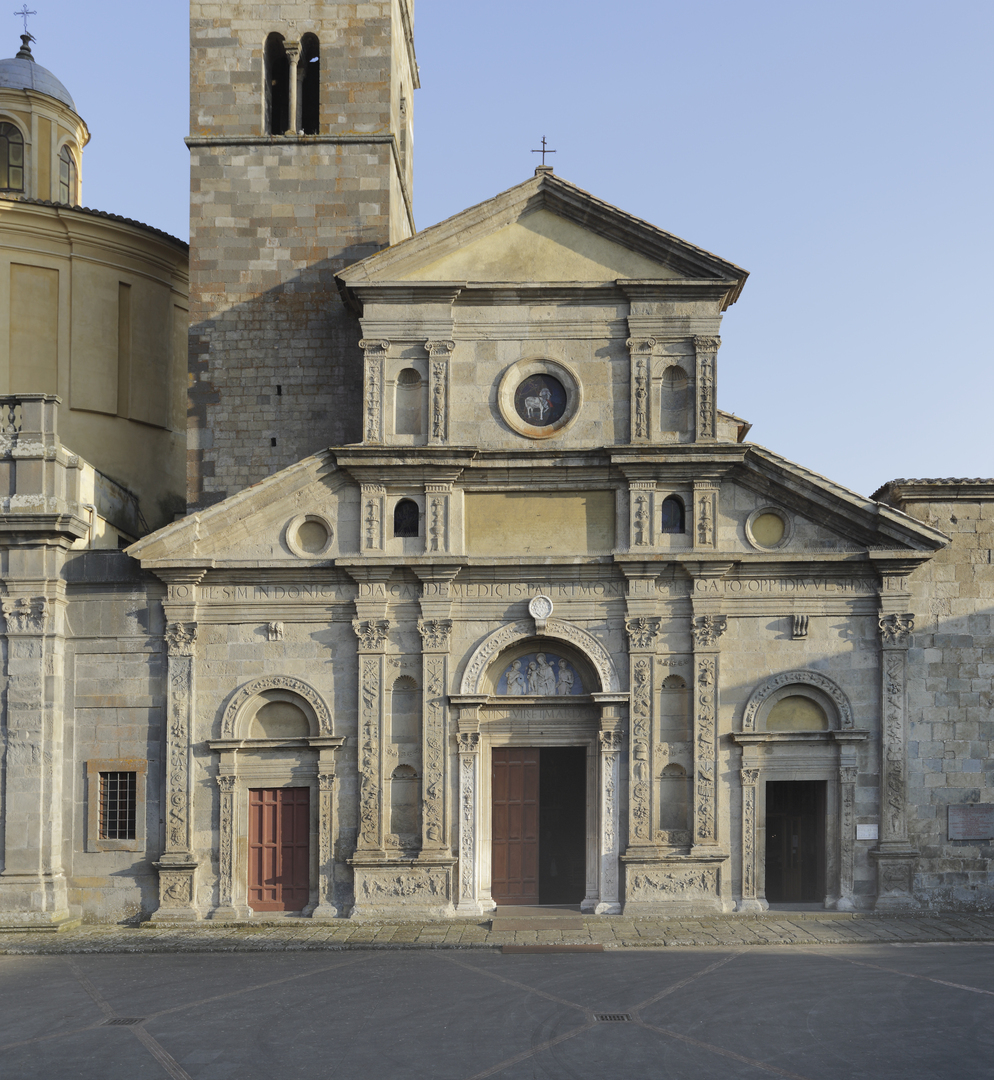
The church features an elegant Renaissance façade, linked to the cultured patronage of the young cardinal Giovanni de’ Medici, second son of Lorenzo the Magnificent and Clarice Orsini and future Pope Leo X. The execution of the façade is attributed to Benedetto and Francesco Buglioni; it was completed between 1494 and early 1495. Cardinal de’ Medici’s involvement is documented by the inscription visible in the frieze of the main entablature bearing his name and by the coat of arms placed above the lunette.
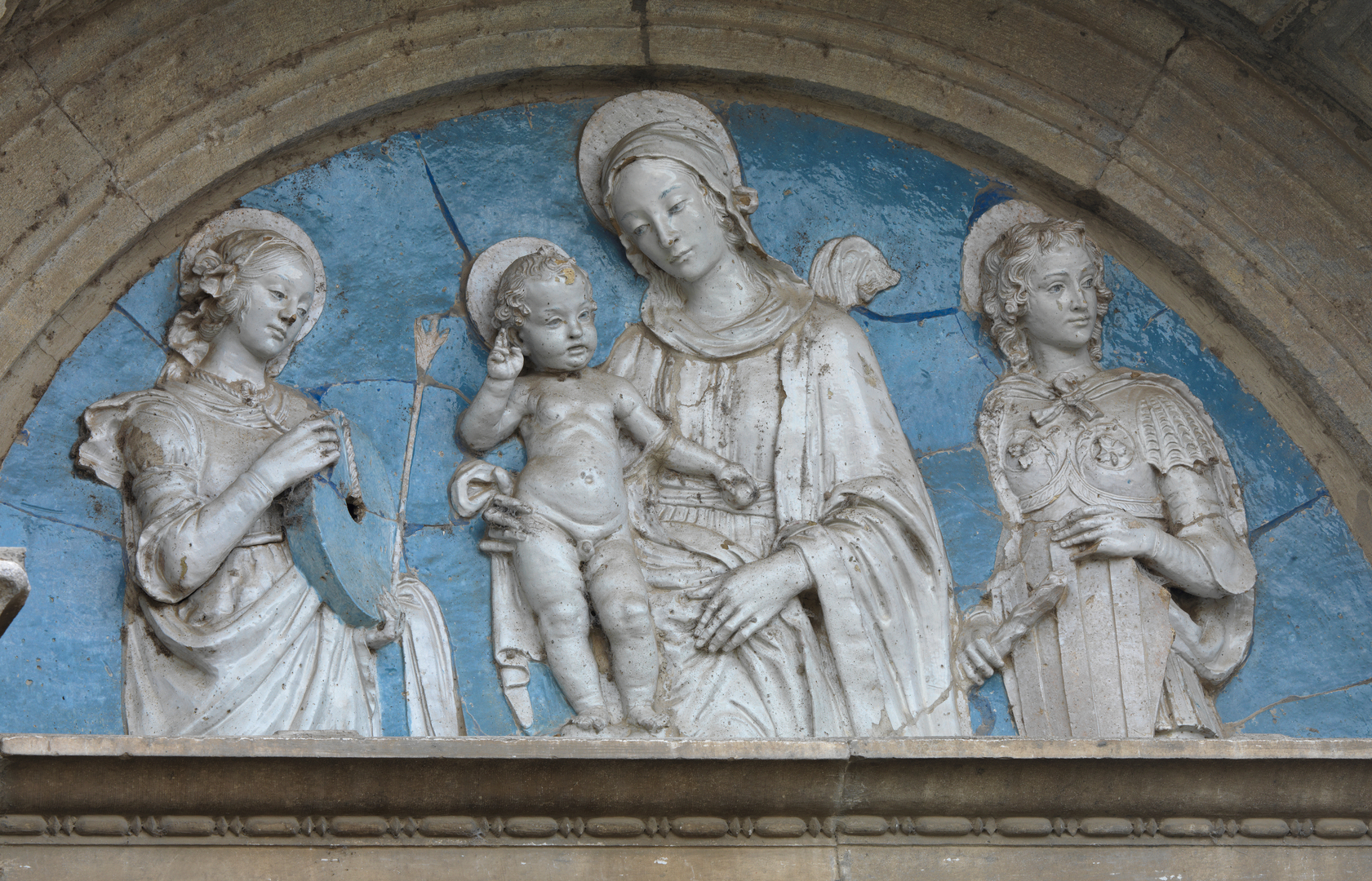
It’s a façade that features elements of Tuscan style: the proportion between parts, the use of geometric forms and elements like the triumphal arch, borrowed from classical Roman architecture, with overlapping niches; pilasters abundantly decorated with plant motifs and subjects inspired by antiquarian taste; the top closure with a pediment distinguished by oculi. Two lunettes with refined terracotta by Benedetto Buglioni crown both the central door of the church and that of the adjacent Chapel of San Leonardo, renovated in the same years as the church façade.
INTERIOR
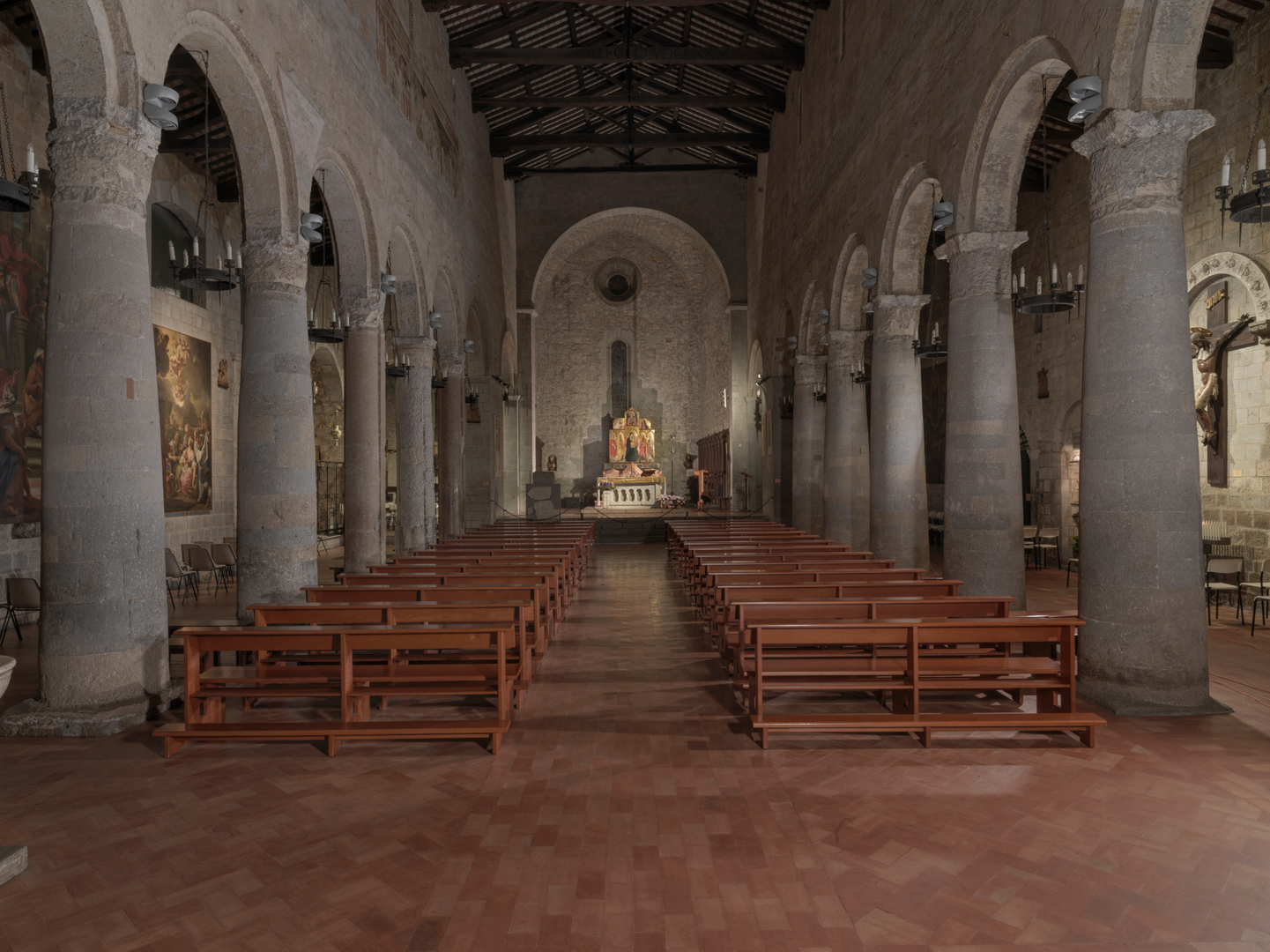
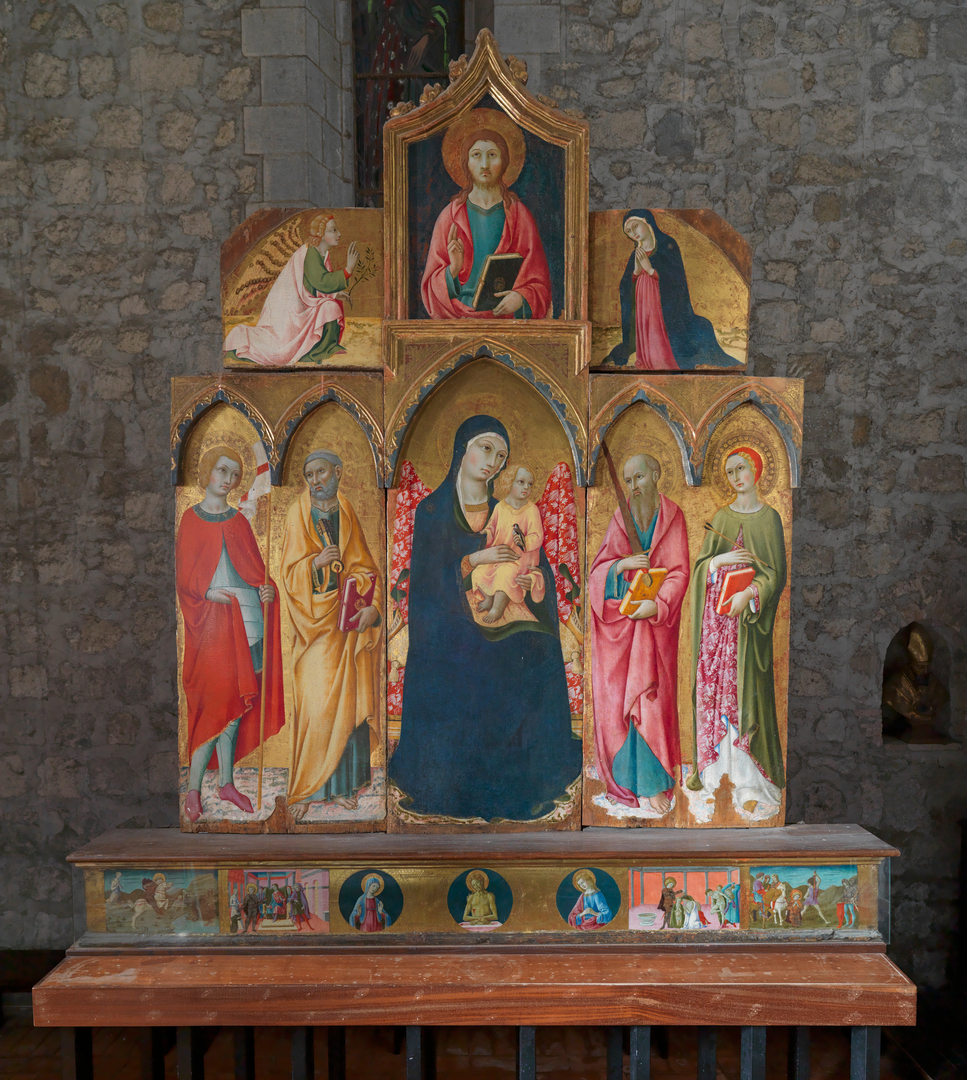
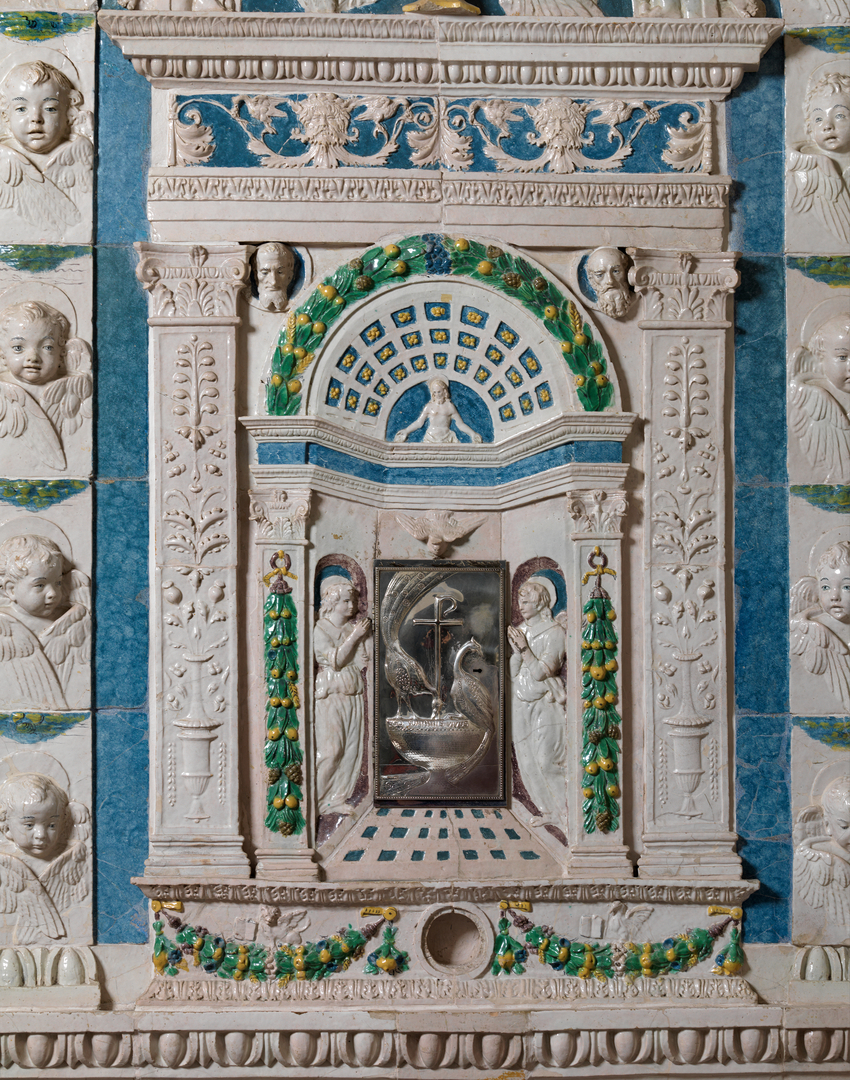
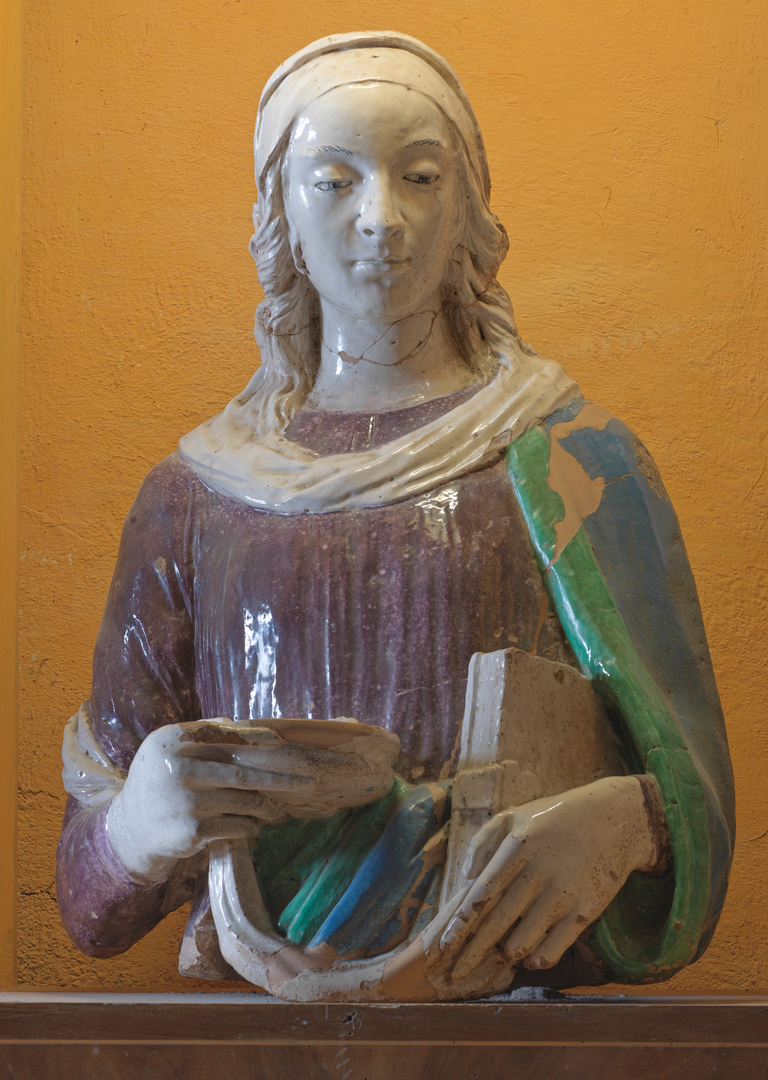
Over the centuries, various interventions have altered the original fully Romanesque and medieval style, which is recognizable from: the soft lighting, the division into three naves and sequence of columns supporting round arches, the capitals that only partially maintain the original decoration. Of the decorative apparatus of the Romanesque church, the portal known as Matilda of Canossa’s along the left nave remains.
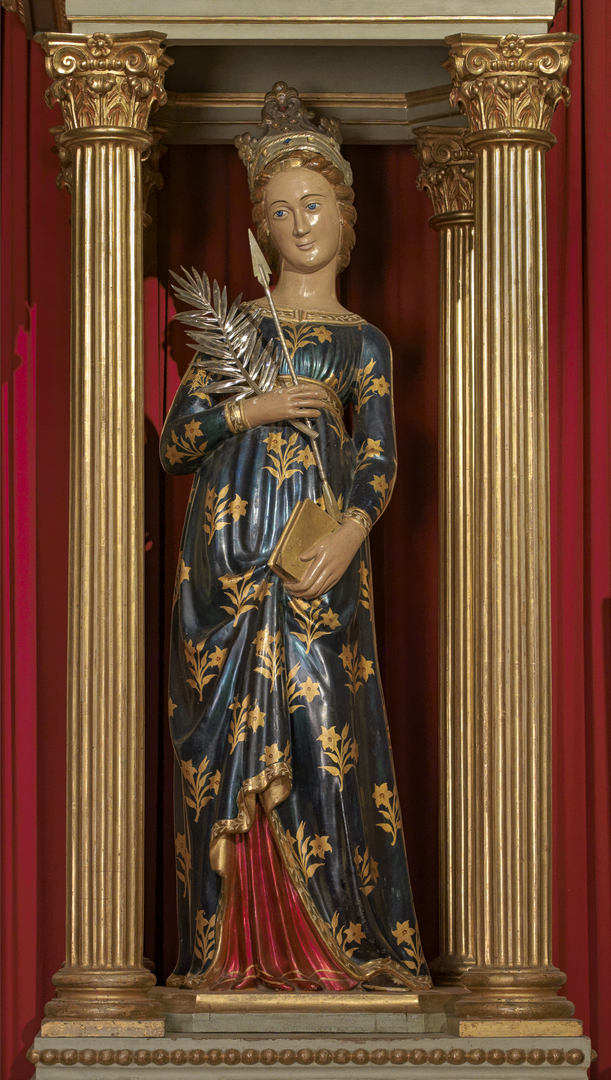
18th-century works are also visible in the church, partly from city churches:
Plan Your Visit

Storyteller of the beauty, art, history and culture of Lake Bolsena and its surroundings, territories where I grew up and which I can share with the professionalism and passion of a local tour guide.
9:00 AM / 7:00 PM
Telling the story of this land is not just about unveiling secrets and frescoes, it is about returning the light that this lake and this town give me every day, with a devotion that transcends time.
9:00 AM / 7:00 PM

My teaching profession has refined my ability to communicate. You cannot teach or illustrate art and creation without sharing a passion for beauty with others. A guide is not a book—it is the synthesis of all books and meaningful experiences from which they have drawn their knowledge, in order to share history and stories with everyone.
9:00 AM / 7:00 PM
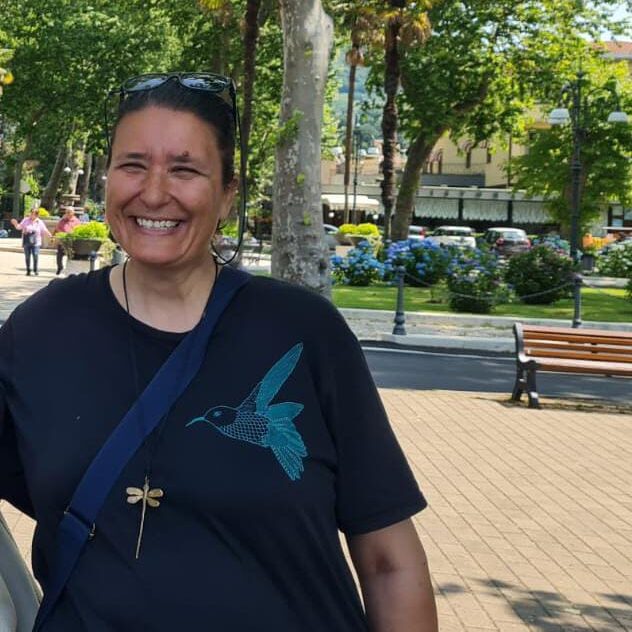
I believe being an ambassador for the place where you were born is a great privilege. Leading Italian and international visitors through the story of Bolsena's artistic, natural and cultural wonders is a stimulating experience that enriches your own knowledge while sharing it with others.
9:00 AM / 7:00 PM
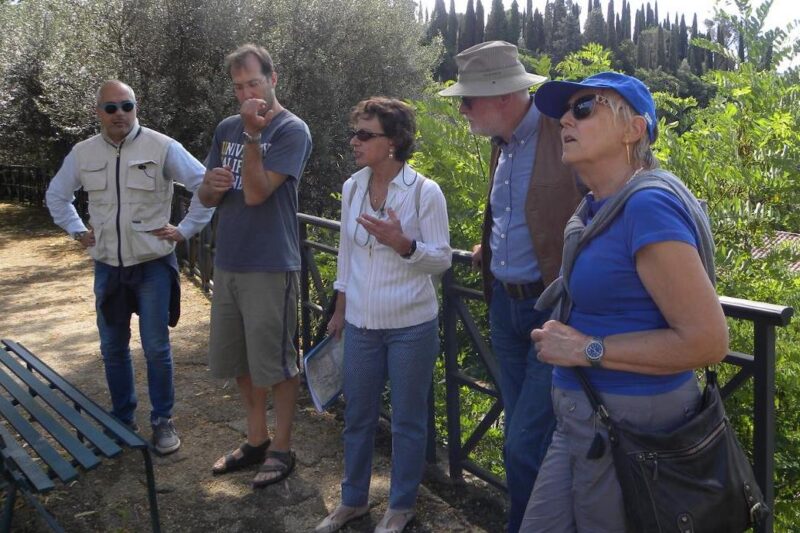
Telling Bolsena's thousand-year history through dedicated guided tours means giving the town back to its people and helping visitors discover our remarkable cultural heritage.
9:00 AM / 7:00 PM