Early Christian Necropolis (Catacomb)
Thanks to excavations in the 19th century, the necropolis came back to light and has been open to the public since 1988.
The catacomb of Santa Cristina developed from the early 4th century in an area that was then on the outskirts of the Roman city of Volsinii, whose remains are visible in the archaeological area of Poggio Moscini.
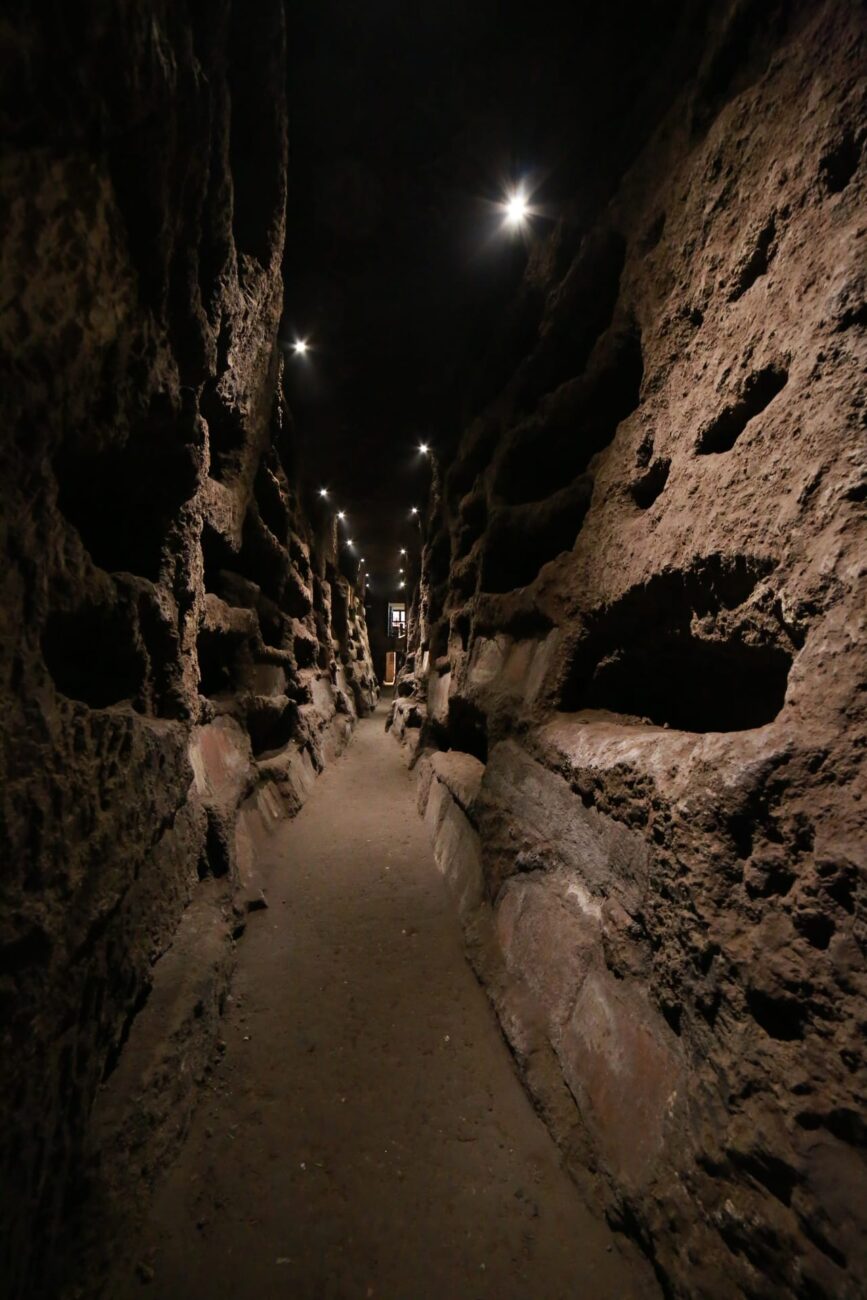
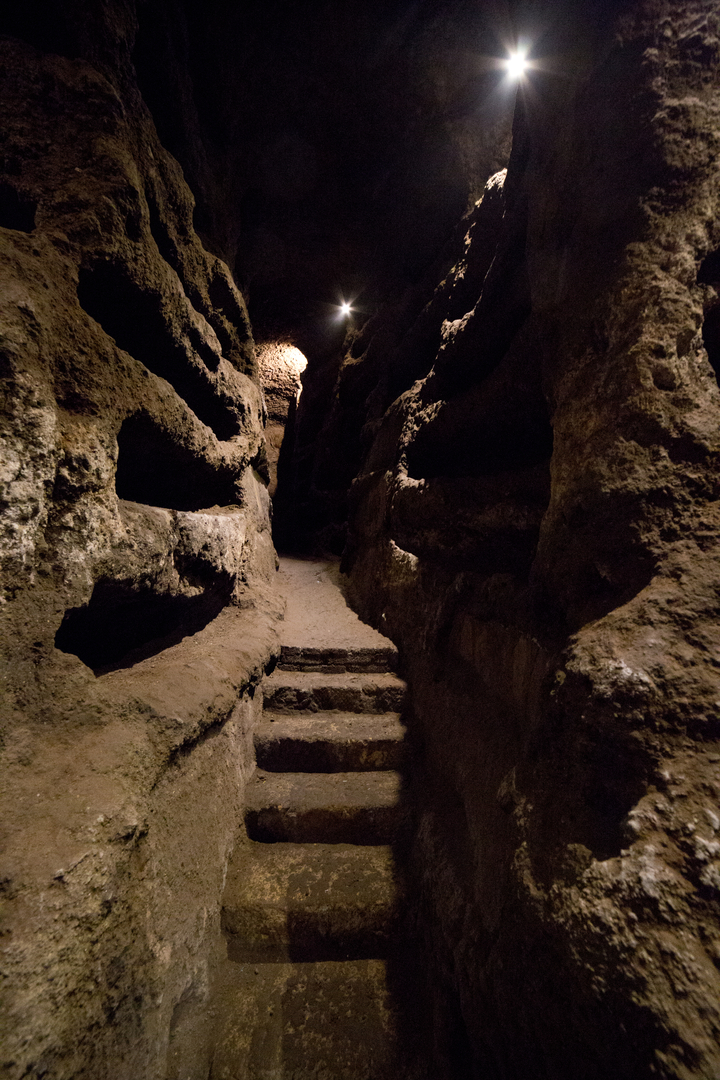
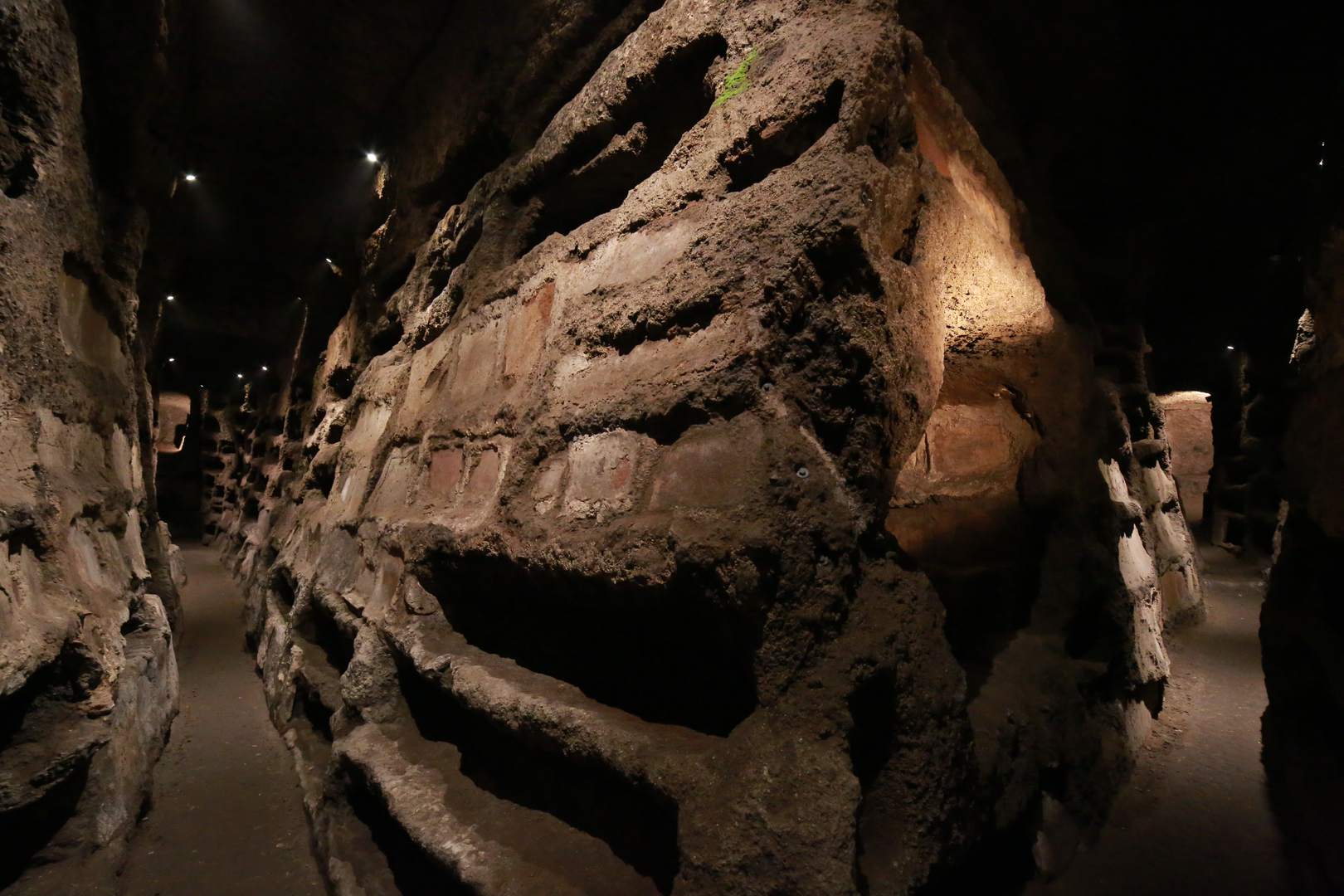
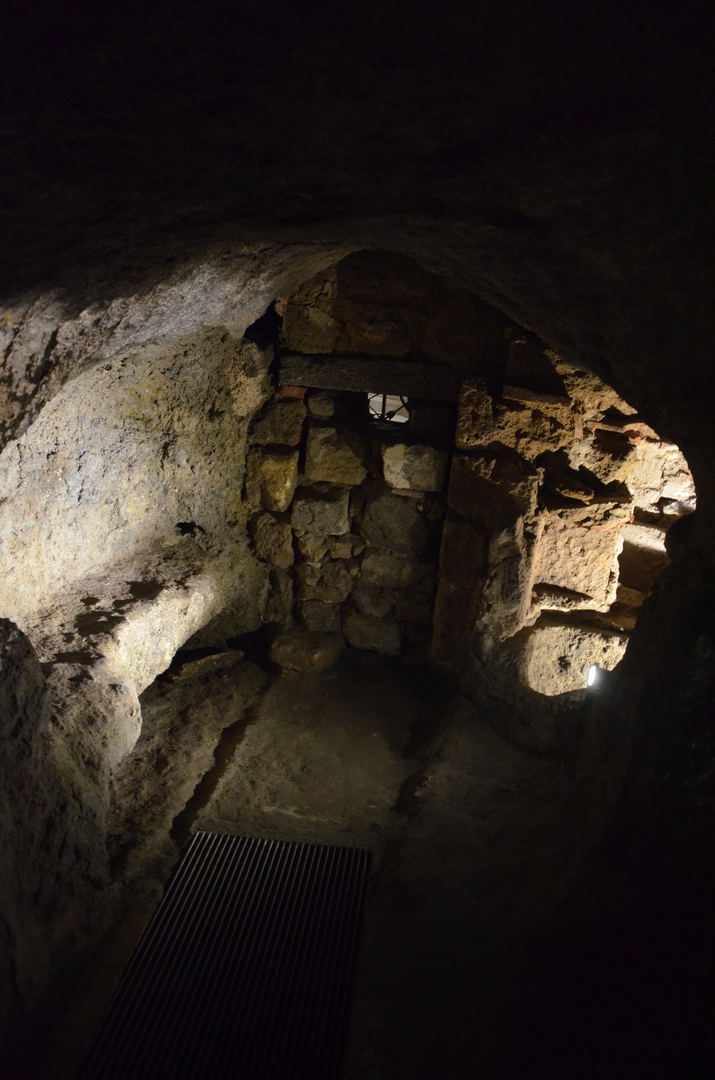
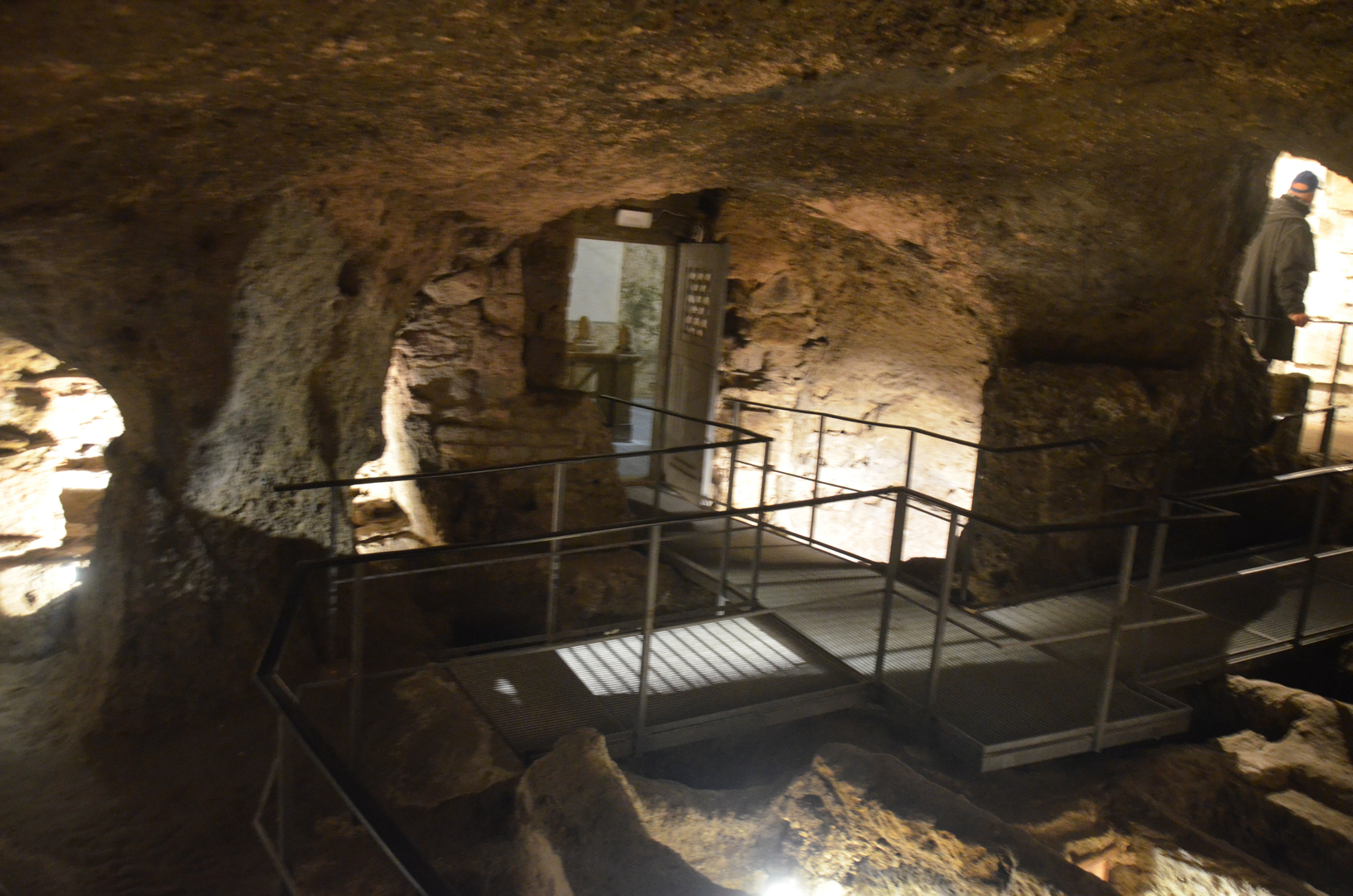
The catacomb wound along the ancient Via Cassia and preserves burial niches that must have belonged to both humble and high-class families. The catacombs were cemeteries, protected by Roman laws: they could be accessed on the commemoration day of the martyr buried there.
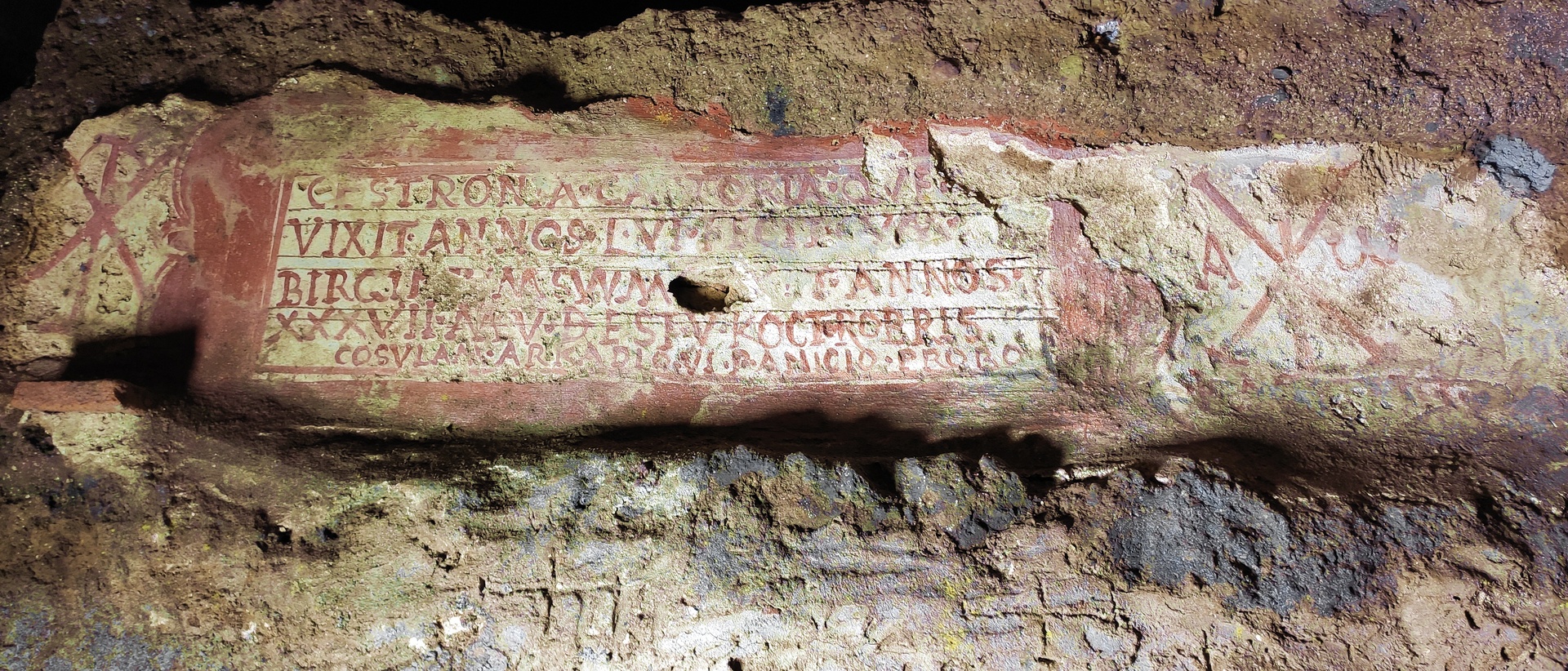
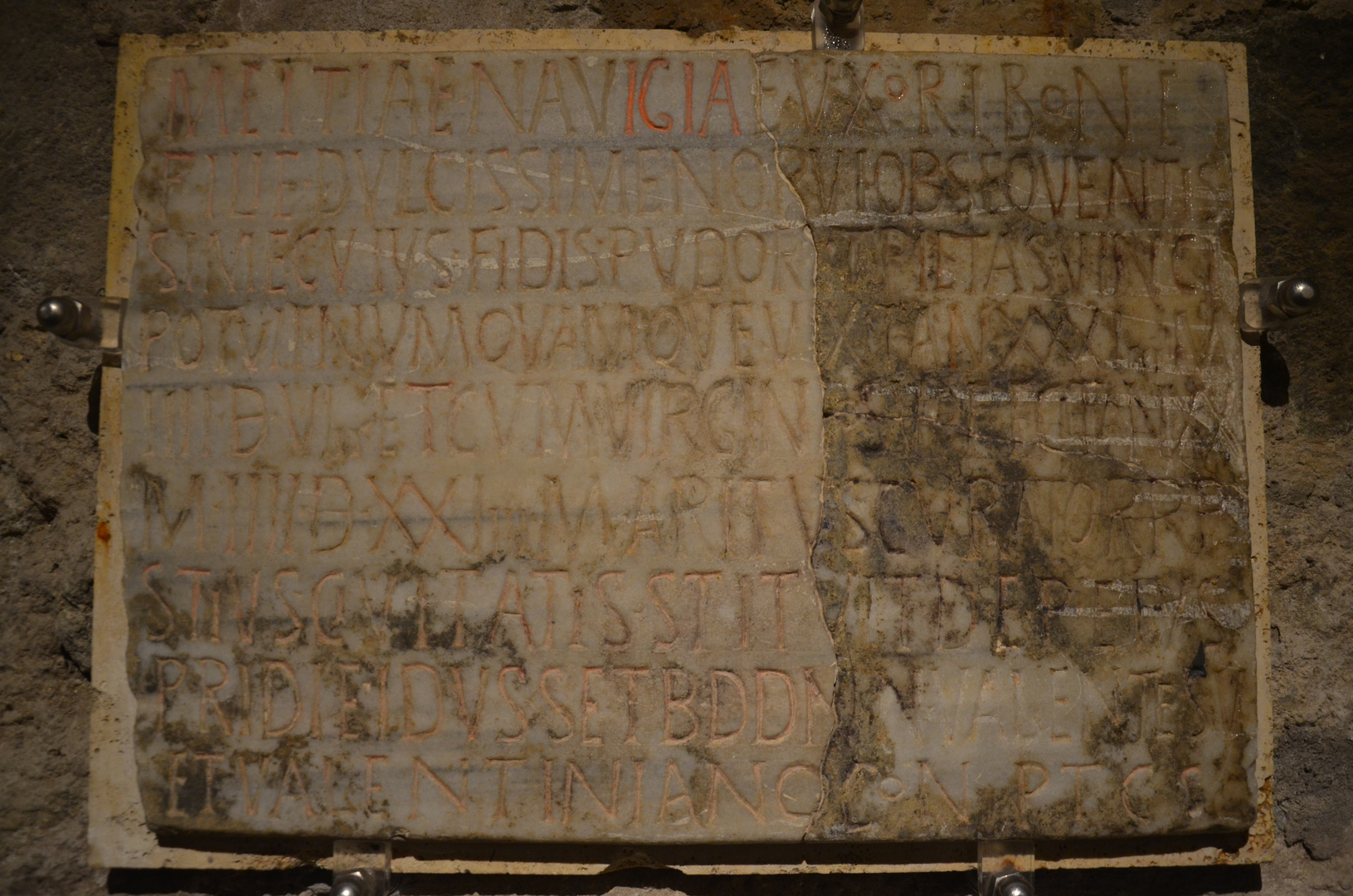
The catacomb extends along a main corridor about 40 meters long and 7 meters high. The burial niches have irregular shapes; some are still sealed. Among these, one draws attention because on the outside it features a fragment of wall painting from the early 4th century depicting a female face: the eyes that look at us must have belonged to a high-ranking girl who could write, judging by her burial furnishings which included a bronze case with a stylus. In the niche there’s a painted inscription dated 406. Many of these tombs bear graffiti and early Christian symbols on their coverings.
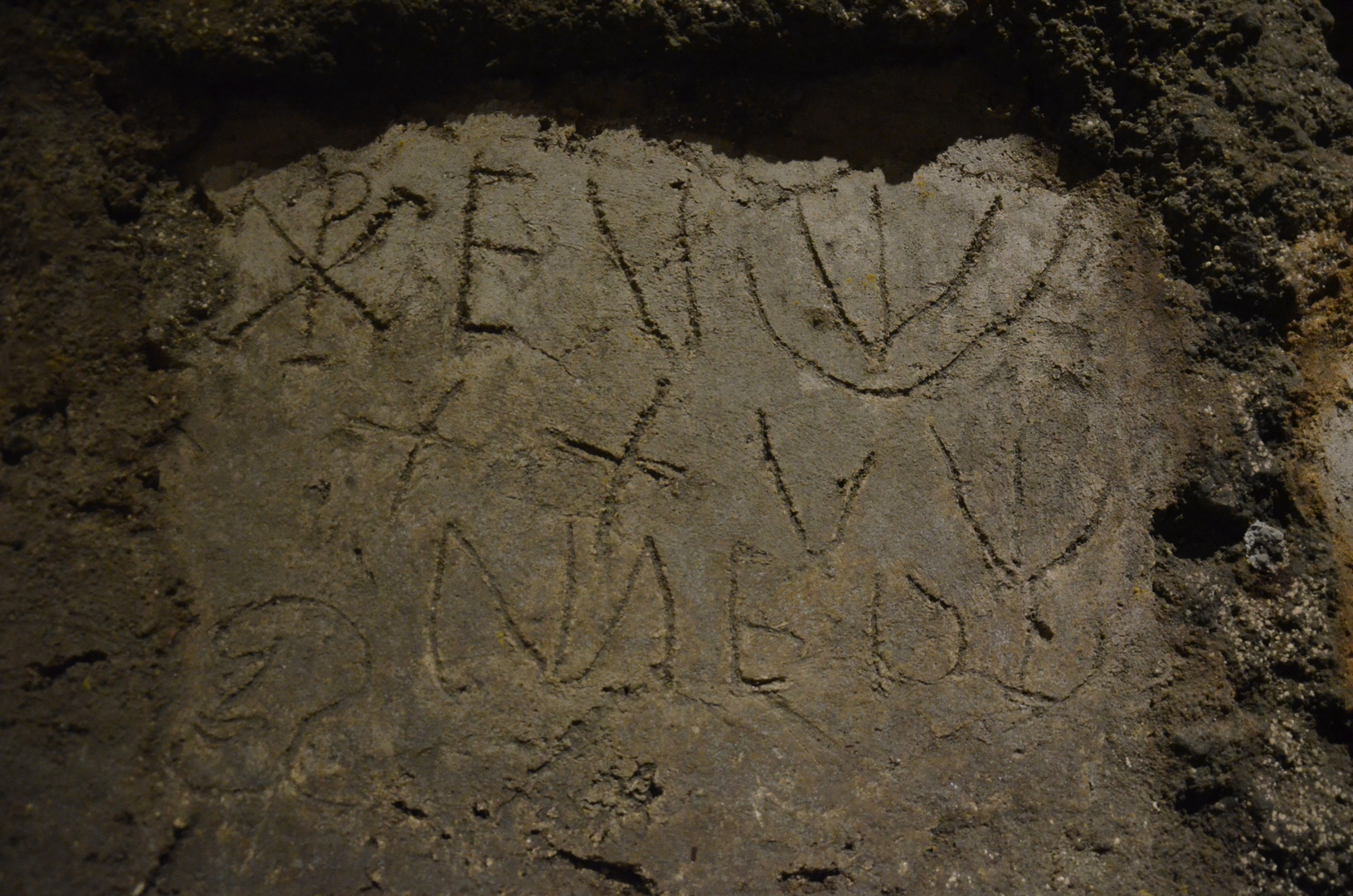
Along the corridor there are two branches: the left one is the most populated with burials, precisely because of its proximity to the tomb of the holy martyr; in the right one there’s an intact niche with the scratched name of the deceased CRESTINA, a clue that reveals the use in Bolsena’s Christian community of using the name Cristina for women.
During the 5th century the necropolis lost its function and over time its memory was lost.
Plan Your Visit

Storyteller of the beauty, art, history and culture of Lake Bolsena and its surroundings, territories where I grew up and which I can share with the professionalism and passion of a local tour guide.
9:00 AM / 7:00 PM
Telling the story of this land is not just about unveiling secrets and frescoes, it is about returning the light that this lake and this town give me every day, with a devotion that transcends time.
9:00 AM / 7:00 PM

My teaching profession has refined my ability to communicate. You cannot teach or illustrate art and creation without sharing a passion for beauty with others. A guide is not a book—it is the synthesis of all books and meaningful experiences from which they have drawn their knowledge, in order to share history and stories with everyone.
9:00 AM / 7:00 PM
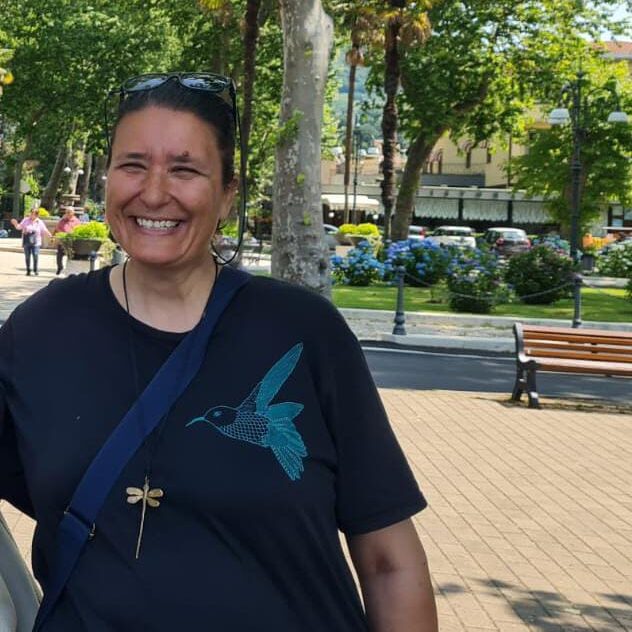
I believe being an ambassador for the place where you were born is a great privilege. Leading Italian and international visitors through the story of Bolsena's artistic, natural and cultural wonders is a stimulating experience that enriches your own knowledge while sharing it with others.
9:00 AM / 7:00 PM
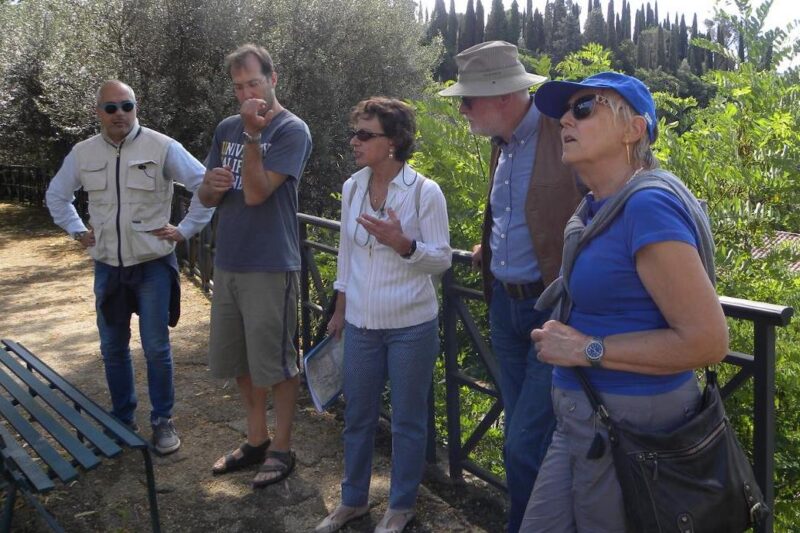
Telling Bolsena's thousand-year history through dedicated guided tours means giving the town back to its people and helping visitors discover our remarkable cultural heritage.
9:00 AM / 7:00 PM