Gran Carro Underwater Archaeological Trail
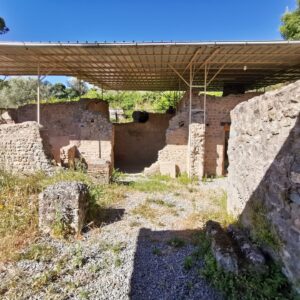
The Gran Carro archaeological site preserves the submerged remains of an ancient Villanovan village, offering a rare glimpse into the most ancient origins of Bolsena.
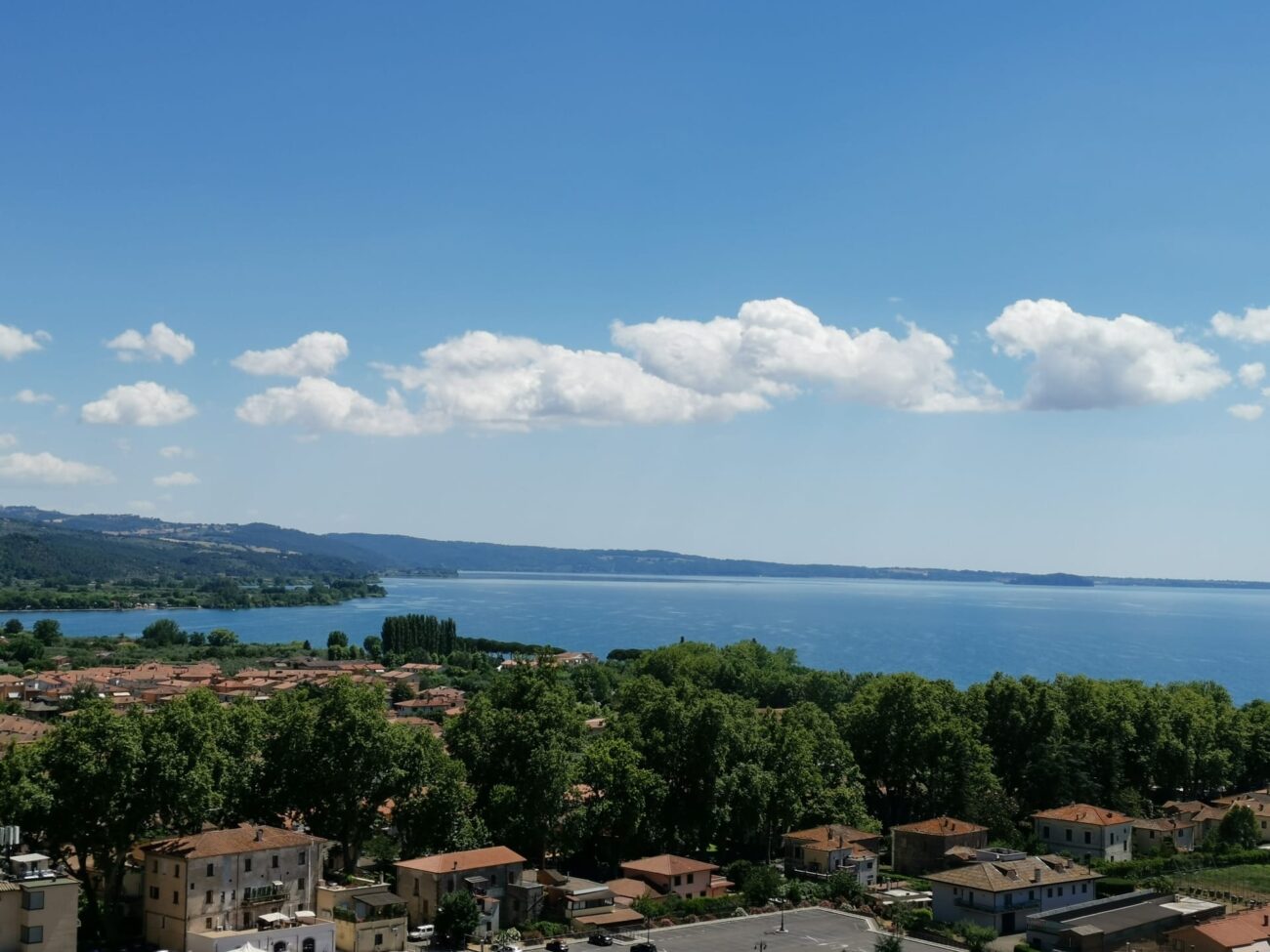
Dating to the early Iron Age, located on the eastern shore of the lake, 7 kilometers south of Bolsena, corresponding to the Villanovan and Etruscan settlements identified on the hills of Capriola and Civita.
The underwater discovery activity dates back to August 12, 1959, when Engineer Alessandro Fioravanti, a pioneer of spearfishing, on a calm lake day, was alerted by his wife, the first to discover “a suspicious pottery shard” at 5 meters depth. He had already identified the site through aerial photos from the 1930s and traces of grooves similar to cart tracks, but only in the presence of that shard did everything make sense.
That moment marked the beginning of studies of what would be called “The Villanovan pile-dwelling village of Gran Carro” and also marked the beginning of extensive research that has continued to the present day and still allows us to savor history.
Here hundreds of wooden poles have been found documenting the settlement structure and, nearby, there is an accumulation of various stones called by fishermen “l’Aiuola” (the flowerbed) due to its elliptical profile almost emerging from the water surface. But there is also much material found in the investigated area: spherical containers, vases, pitchers, millstones and terracotta objects that allow us to reconstruct the life of these original populations.
The latest archaeological investigations, also conducted with the help of advanced technologies such as drones, have made it possible to map the site and identify different areas. Recent discoveries, such as a Nuragic bronze statuette, testify to ancient contacts between different populations. The Gran Carro underwater archaeological trail represents a unique opportunity to discover an important chapter in the ancient history of the territory.
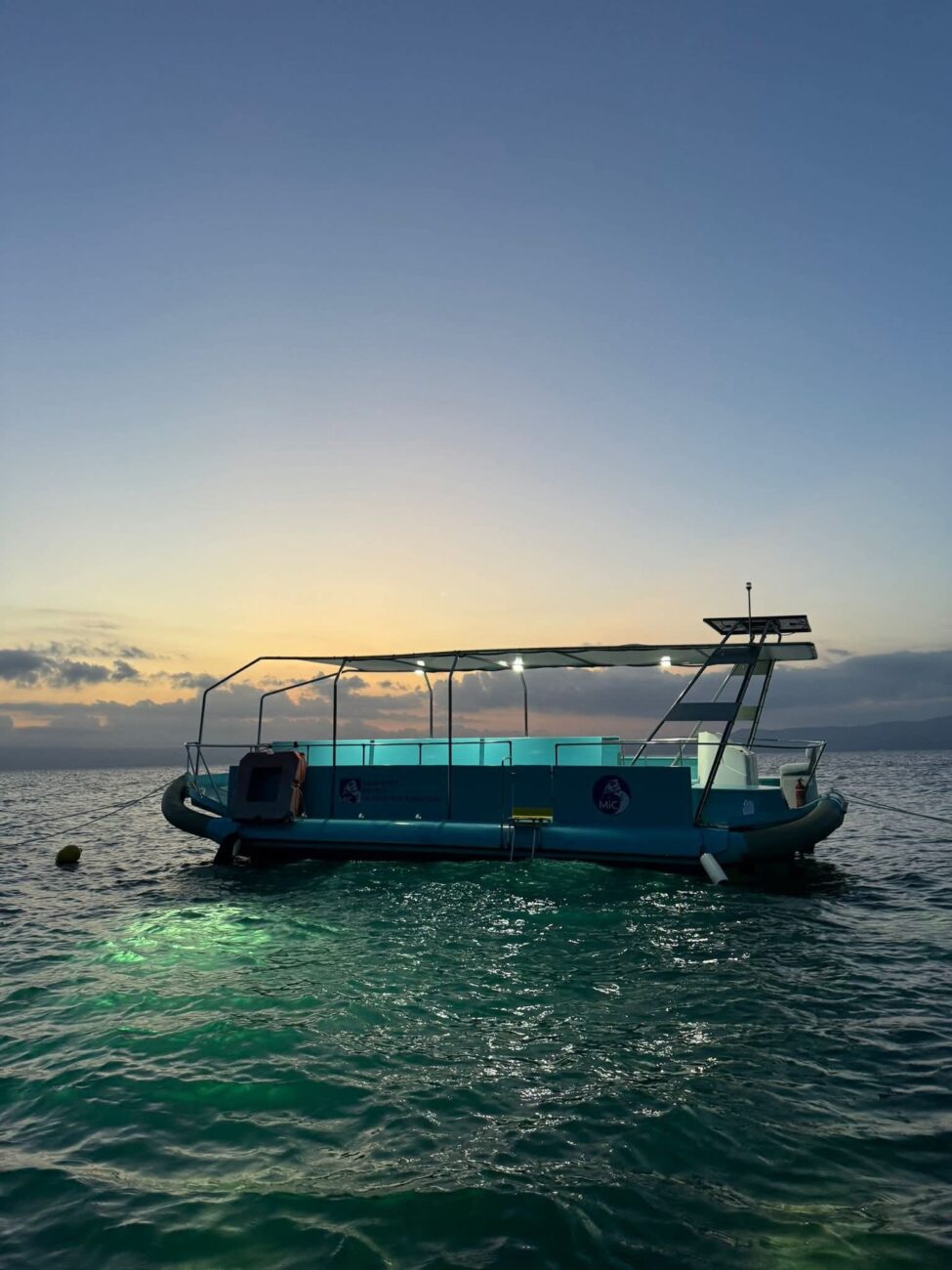
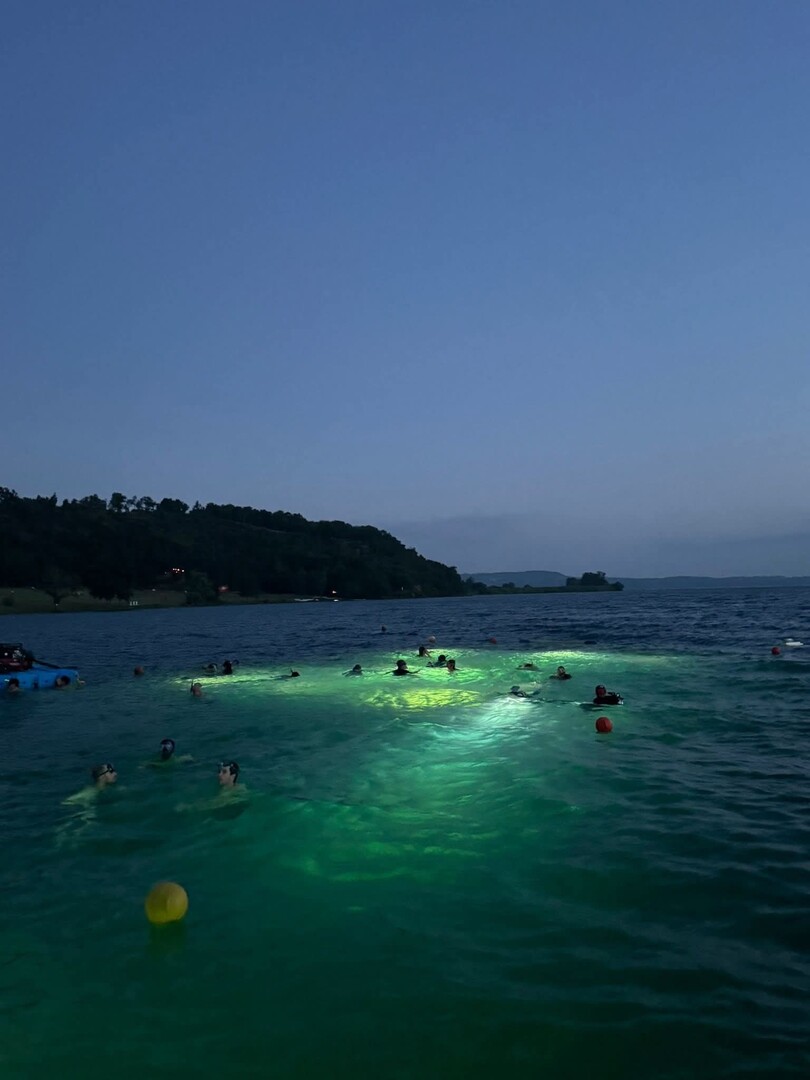
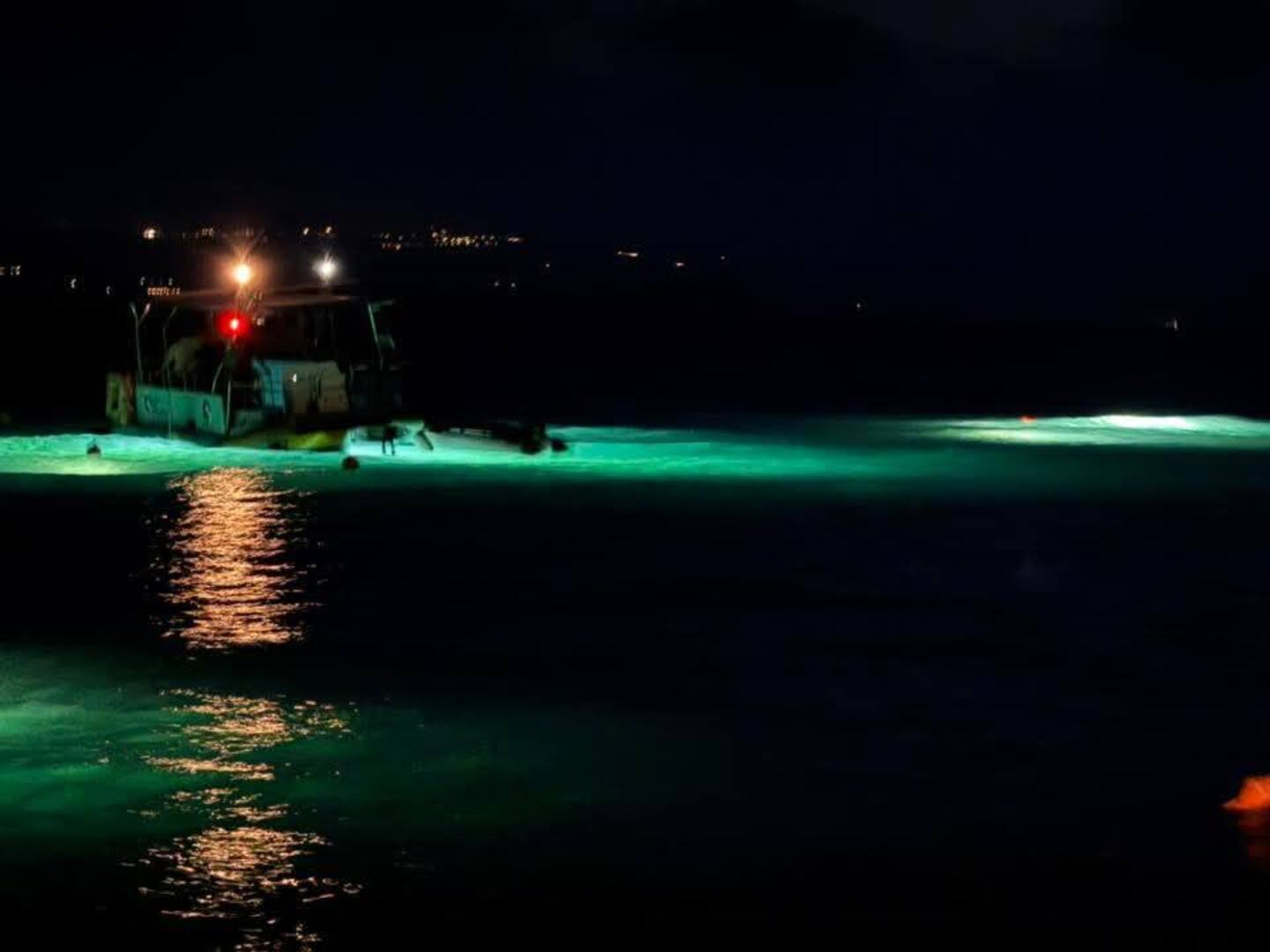
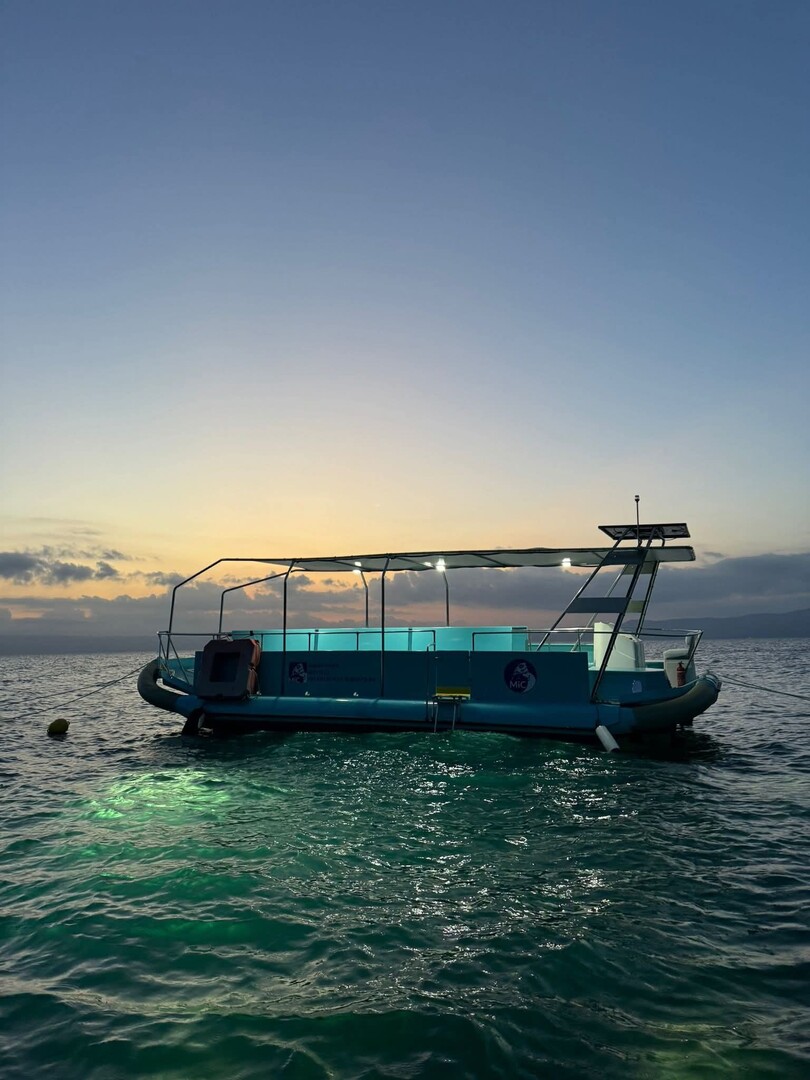
* An underwater trail is being created that will allow visitors to explore the submerged remains. The project also includes accessibility for blind divers, with guided routes and braille panels. The openings of the underwater trail are scheduled for 2025.
Plan Your Visit

Storyteller of the beauty, art, history and culture of Lake Bolsena and its surroundings, territories where I grew up and which I can share with the professionalism and passion of a local tour guide.
9:00 AM / 7:00 PM
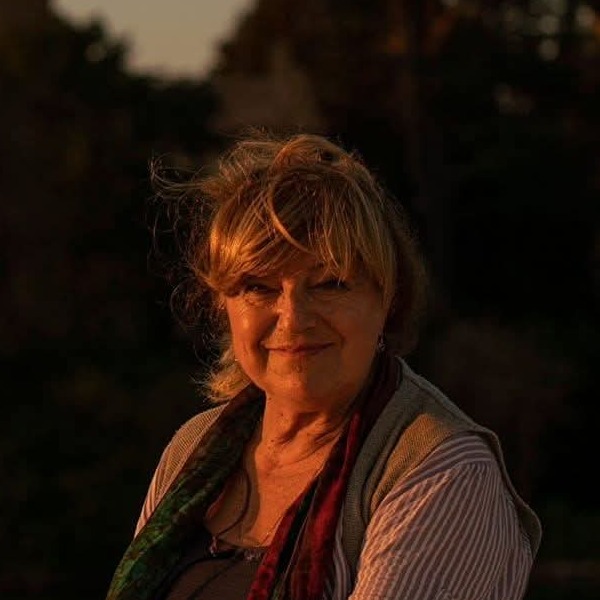
Telling the story of this land is not just about unveiling secrets and frescoes, it is about returning the light that this lake and this town give me every day, with a devotion that transcends time.
9:00 AM / 7:00 PM

My teaching profession has refined my ability to communicate. You cannot teach or illustrate art and creation without sharing a passion for beauty with others. A guide is not a book—it is the synthesis of all books and meaningful experiences from which they have drawn their knowledge, in order to share history and stories with everyone.
9:00 AM / 7:00 PM
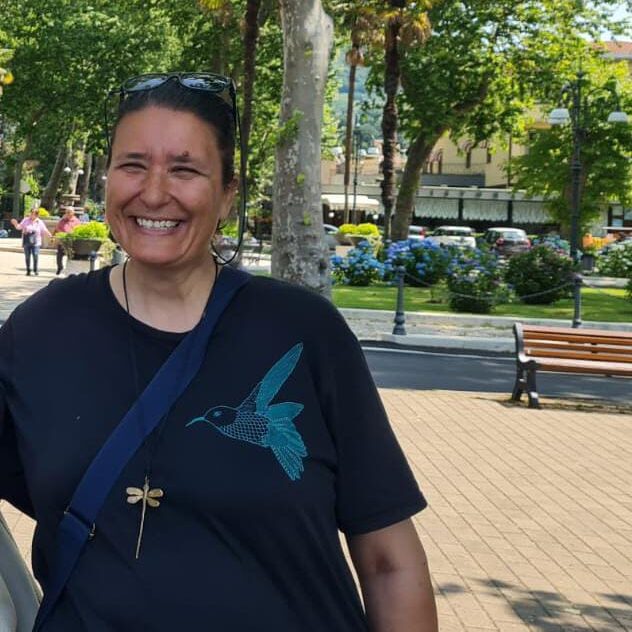
I believe being an ambassador for the place where you were born is a great privilege. Leading Italian and international visitors through the story of Bolsena's artistic, natural and cultural wonders is a stimulating experience that enriches your own knowledge while sharing it with others.
9:00 AM / 7:00 PM
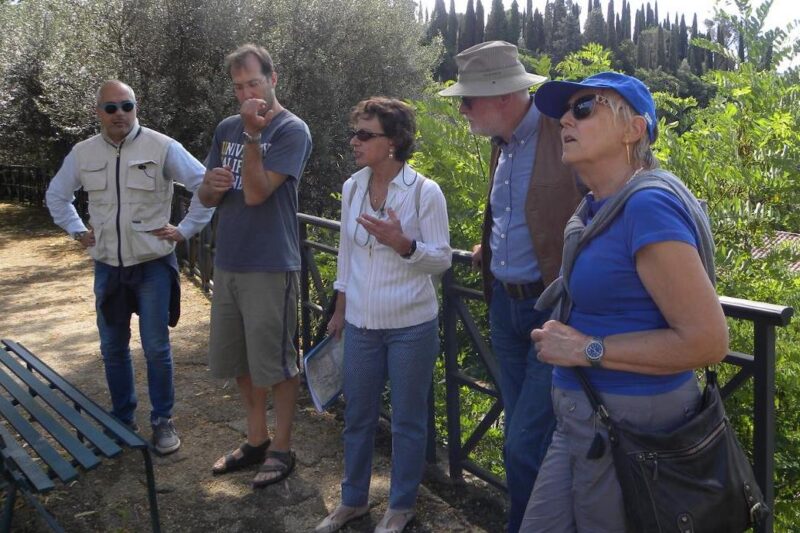
Telling Bolsena's thousand-year history through dedicated guided tours means giving the town back to its people and helping visitors discover our remarkable cultural heritage.
9:00 AM / 7:00 PM