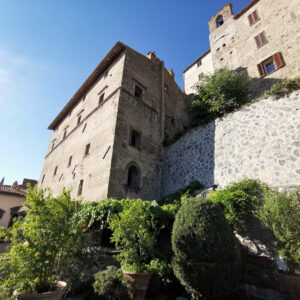
Palazzo Cozza Caposavi
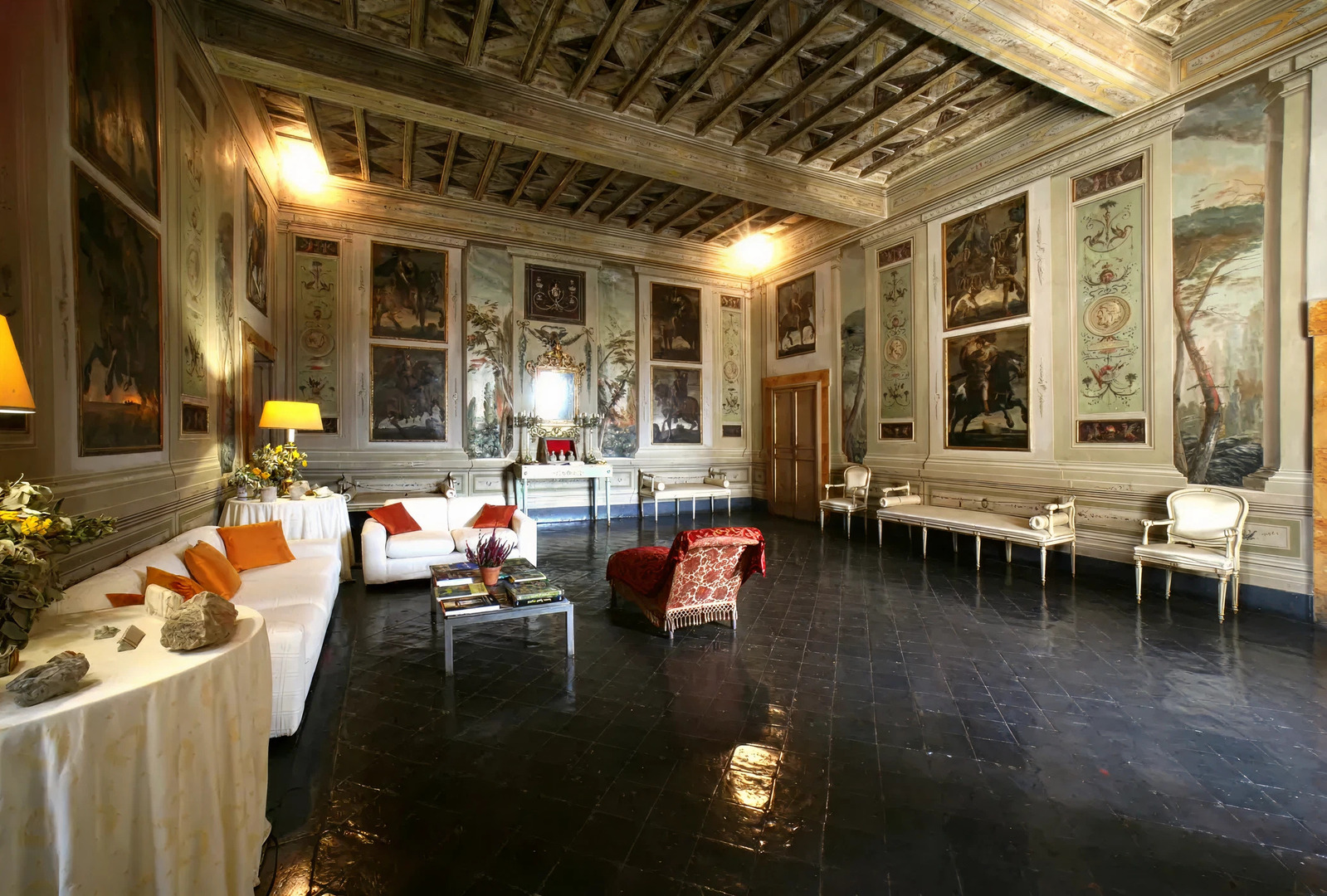
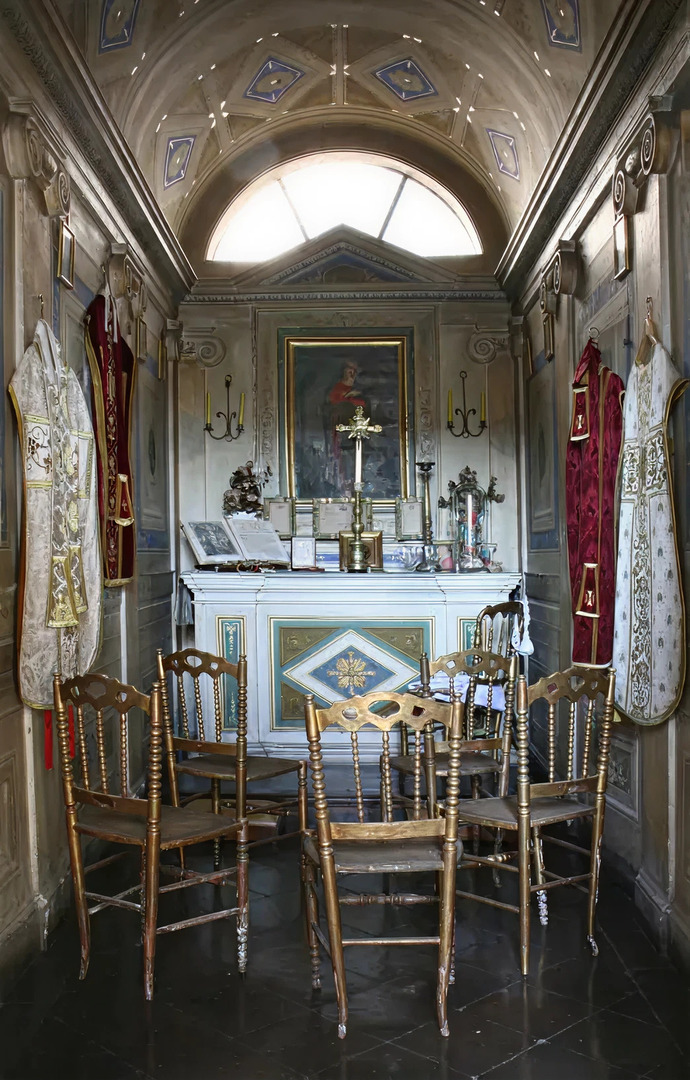
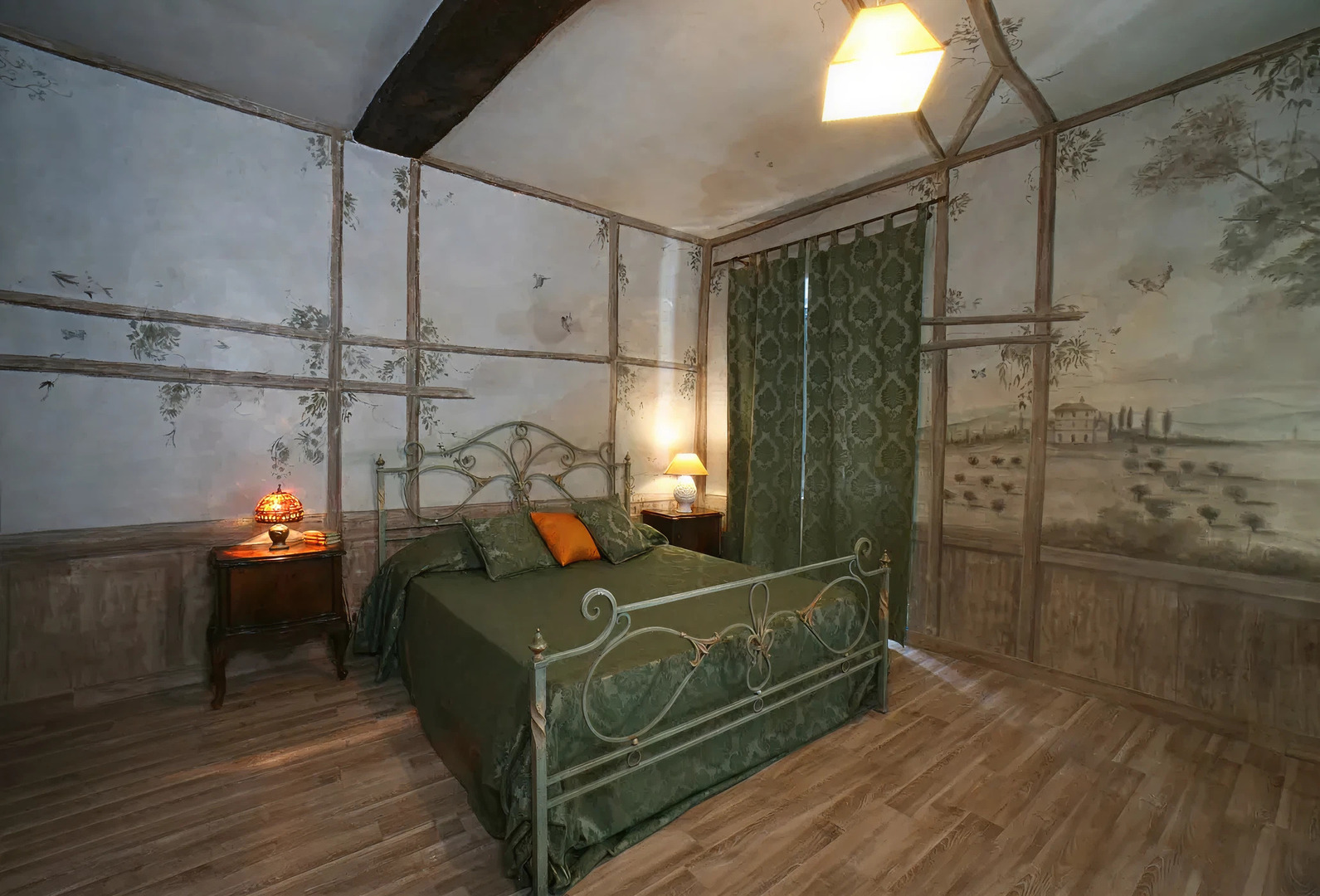
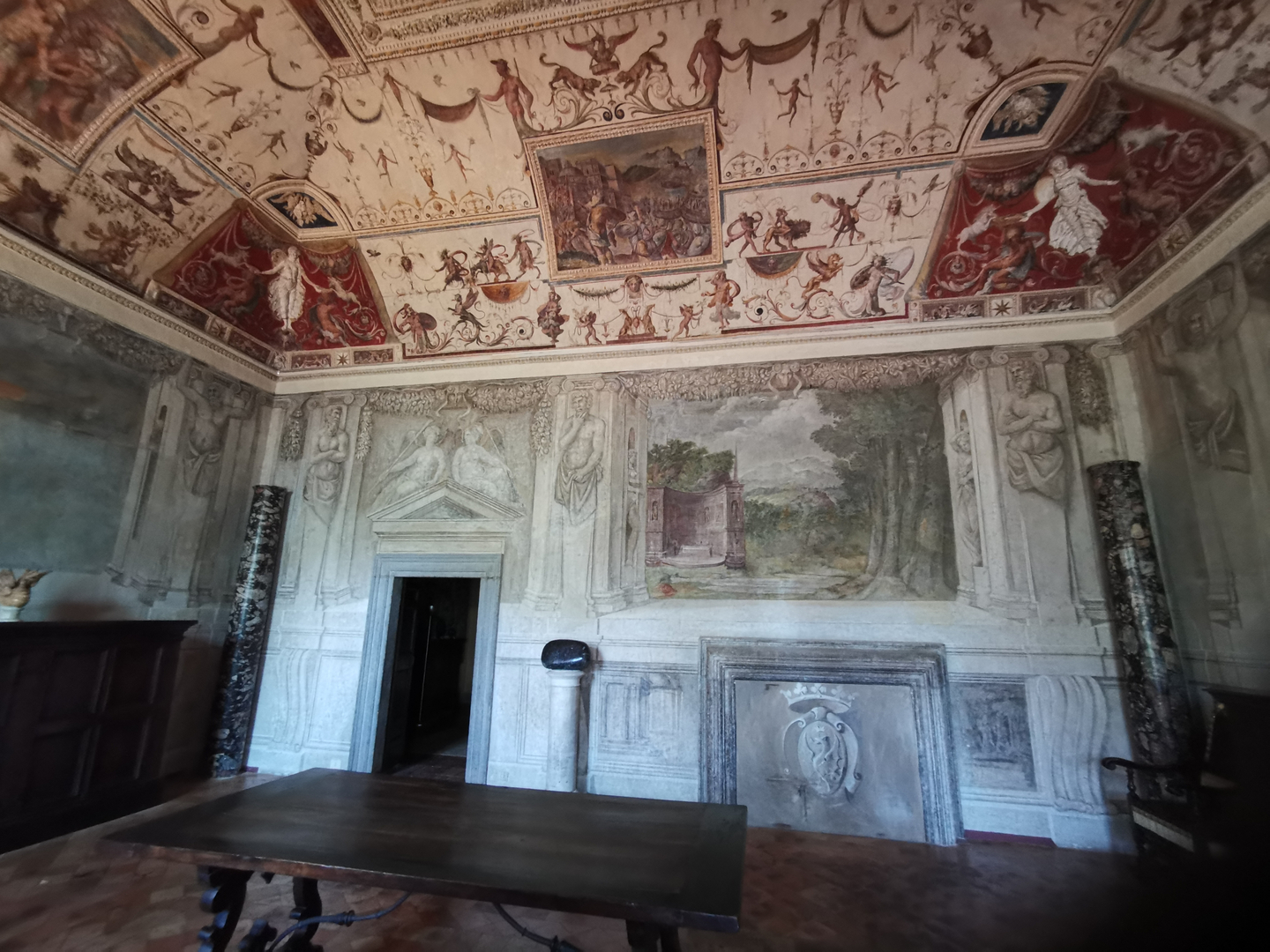
With over five centuries of history, Palazzo Cozza Caposavi is the largest private art collection open to the public in the province of Viterbo.
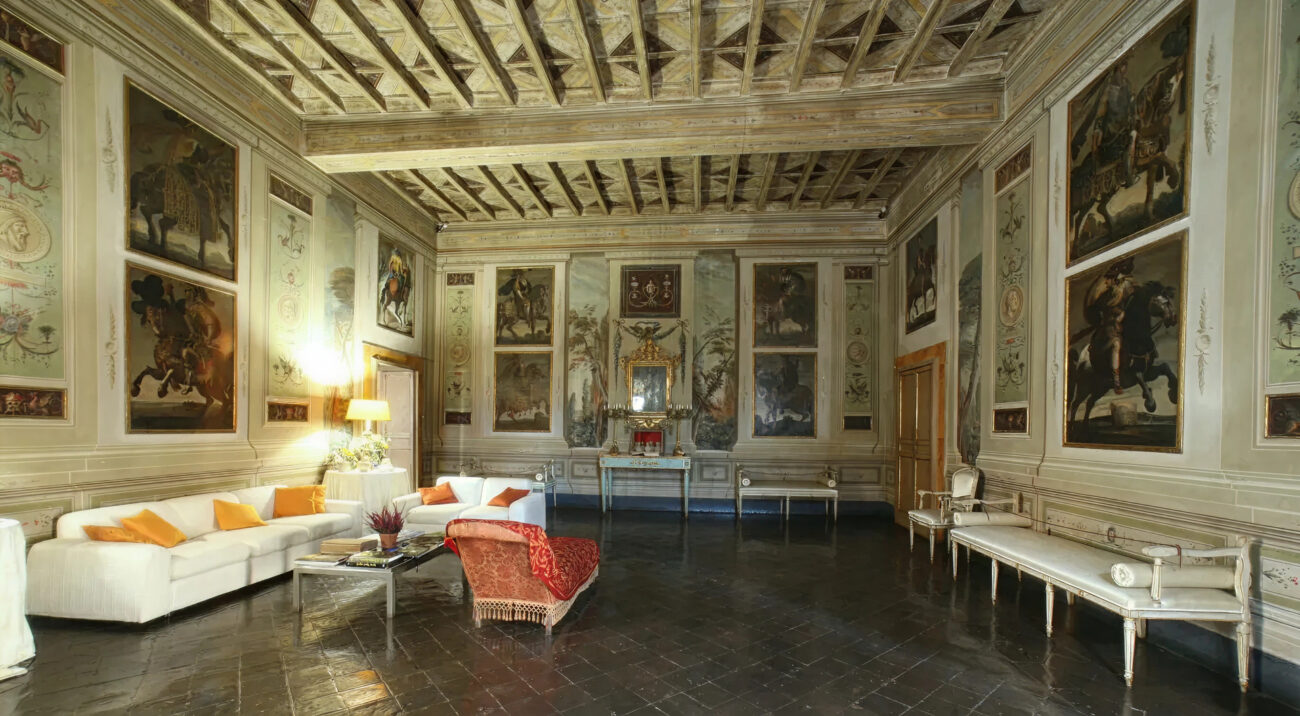
The historic residence of the Counts Cozza-Caposavi of Bolsena, this palace has been for centuries an obligatory stop for those who, along the Via Francigena, crossed the Etruscan region of Tuscia.
Built around 1561 by order of Cardinal Tiberio Crispo, papal governor and son of Silvia Ruffini, concubine of Pope Paul III, the palace later passed to the Cozza and Caposavi families, who in the eighteenth century united in marriage, reunifying the building in its original form.
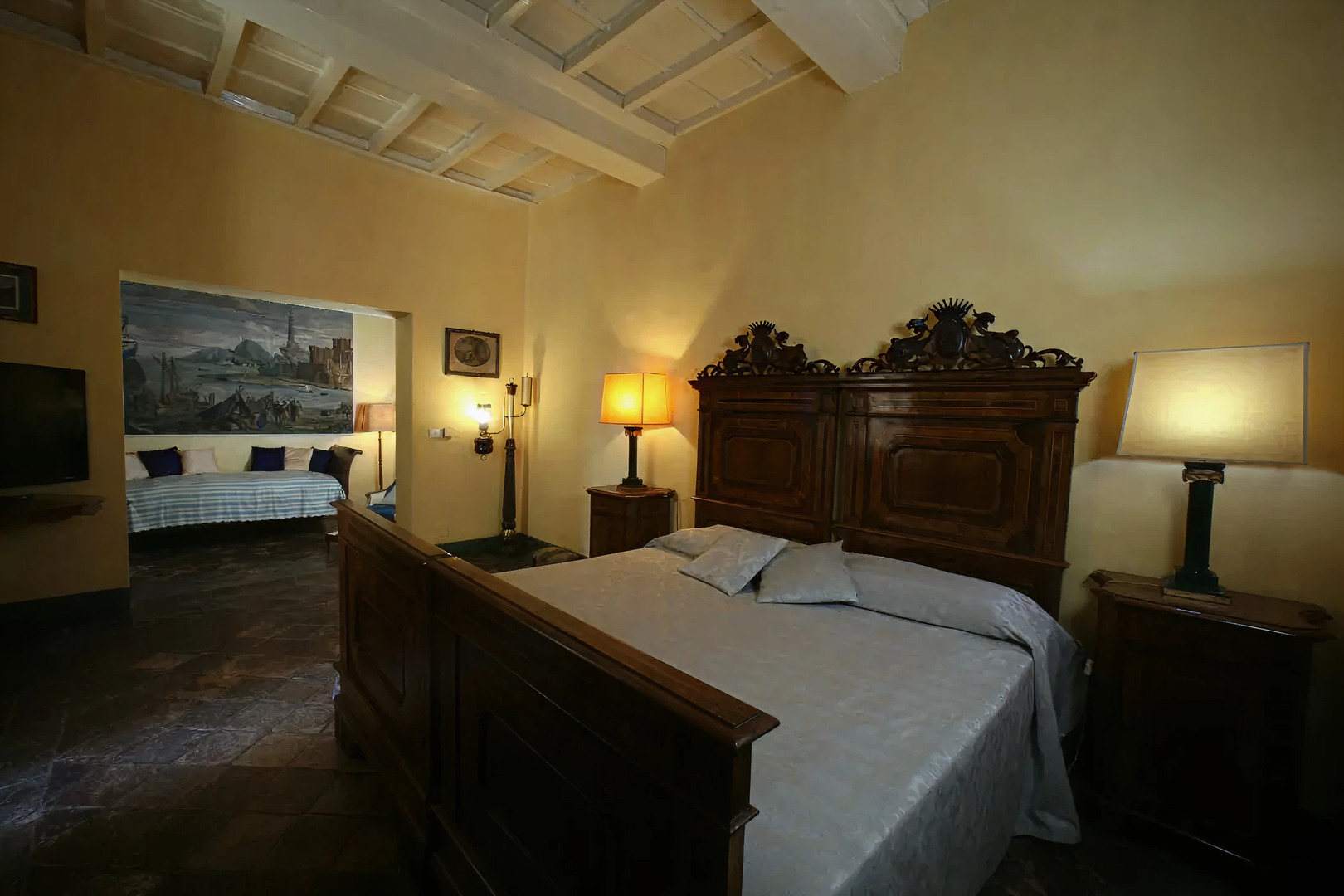
In the following centuries, the residence maintained a managerial and agricultural function, rather than residential, thus preserving original furnishings, decorations, and floors. Inside is preserved a library of over ten thousand volumes, with signed first editions by Verga and D’Annunzio, travel texts, heraldic works, and the first dictionary of the Italian language.
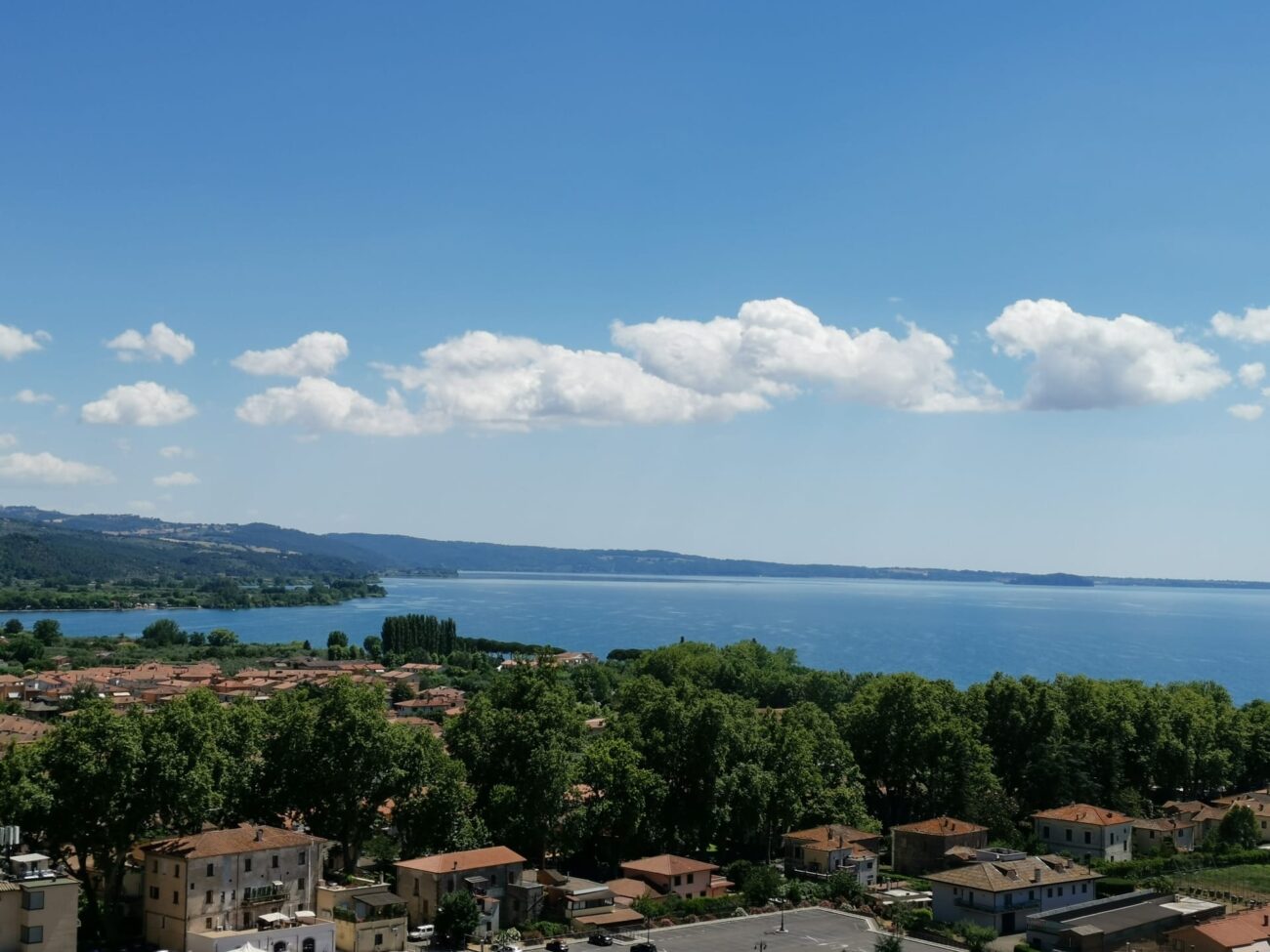
Bolsena, a crossroads between Tuscany and Lazio and a stop on the Via Francigena, welcomed royal families and illustrious travelers over the centuries: Stendhal, Verga, Marconi, Fellini, and two popes. With the opening of the Autostrada del Sole, the city lost part of this role as a passage point, but not its charm. In the 1970s, the palace became the setting for artistic encounters: Plinio De Martiis, Cy Twombly, Mario Schifano, Tano Festa, Franco Angeli, and Balthus found inspiration within its walls and around the lake. Twombly, right here, created the famous Bolsena series.
Plan Your Visit

Storyteller of the beauty, art, history and culture of Lake Bolsena and its surroundings, territories where I grew up and which I can share with the professionalism and passion of a local tour guide.
9:00 AM / 7:00 PM
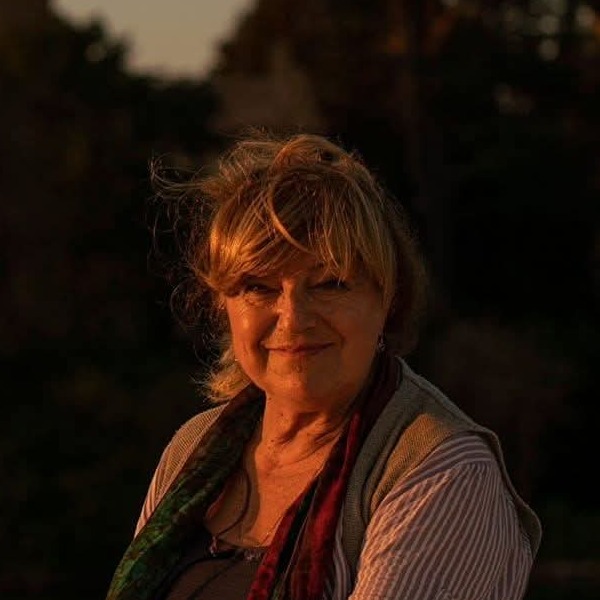
Telling the story of this land is not just about unveiling secrets and frescoes, it is about returning the light that this lake and this town give me every day, with a devotion that transcends time.
9:00 AM / 7:00 PM
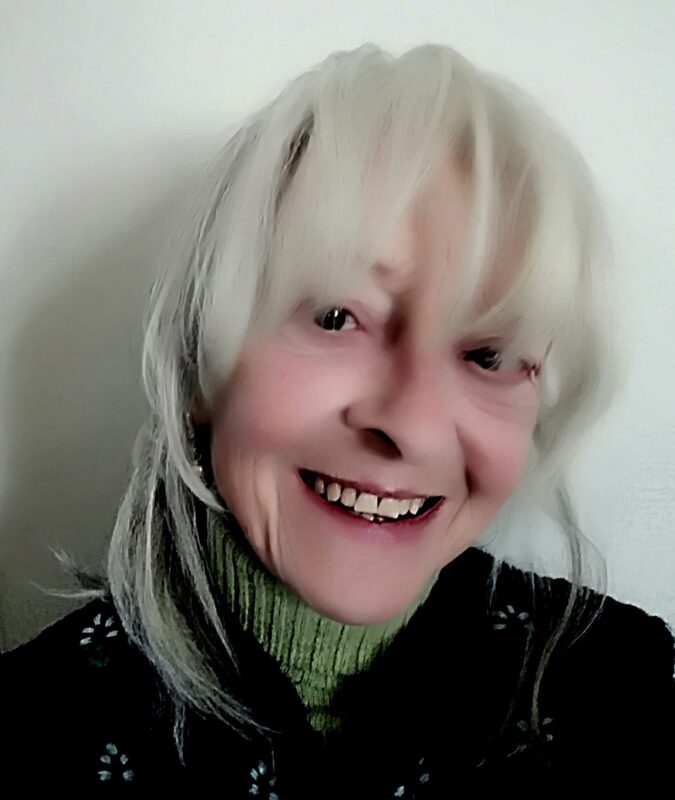
My teaching profession has refined my ability to communicate. You cannot teach or illustrate art and creation without sharing a passion for beauty with others. A guide is not a book—it is the synthesis of all books and meaningful experiences from which they have drawn their knowledge, in order to share history and stories with everyone.
9:00 AM / 7:00 PM
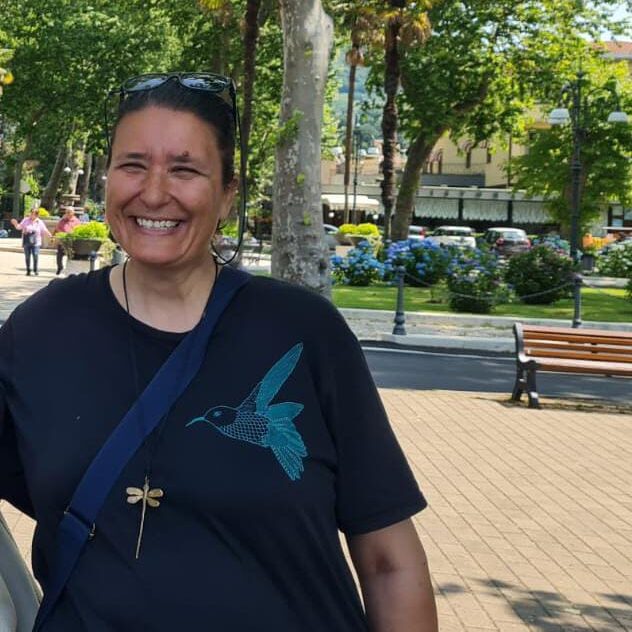
I believe being an ambassador for the place where you were born is a great privilege. Leading Italian and international visitors through the story of Bolsena's artistic, natural and cultural wonders is a stimulating experience that enriches your own knowledge while sharing it with others.
9:00 AM / 7:00 PM
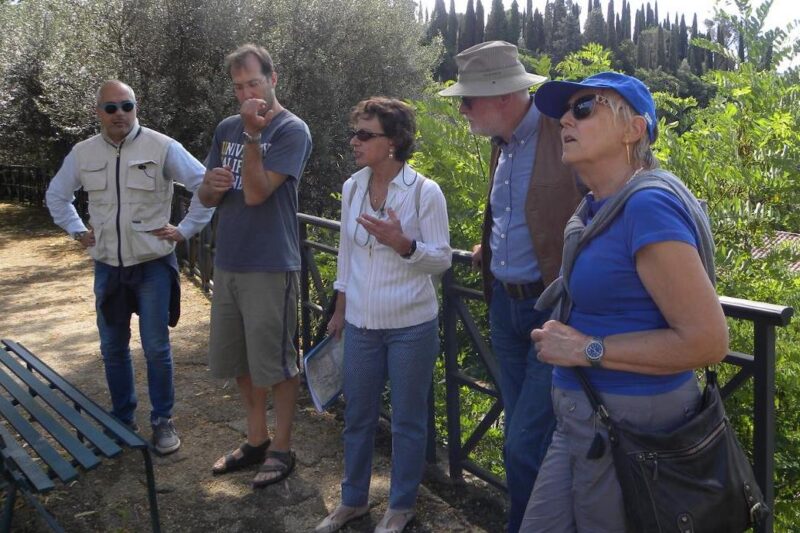
Telling Bolsena's thousand-year history through dedicated guided tours means giving the town back to its people and helping visitors discover our remarkable cultural heritage.
9:00 AM / 7:00 PM