Sanctuary of Santa Maria del Giglio
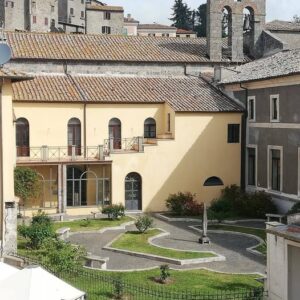
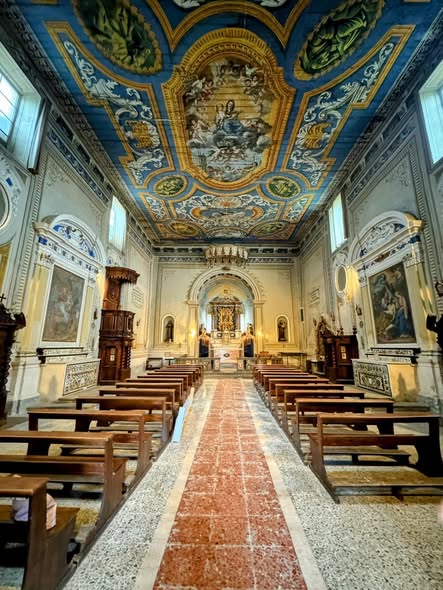
The Sanctuary of Santa Maria del Giglio, built in the 16th century on an ancient Marian shrine, is one of the most beloved places of worship in Bolsena.
Today the Sanctuary of Santa Maria del Giglio is closed to worship, but in 2023 the delegate from the Ministry of the Interior's Fund for Religious Buildings and the Municipality of Bolsena signed an agreement for safety measures, restoration and conservation work.
The first records of the worship of the Virgin in this place date back to the 16th century, where a shrine dedicated to her already stood. It was a simple shrine, with a fresco of the Madonna enthroned with the Child on her knees and a lily in her hand. Due to worship needs, the small country church was restored and enlarged. The Santesi della Madonna were entrusted with overseeing the construction, managing numerous offerings from both private individuals and the Municipality of Bolsena, which in 1512 donated a silver crown made by the goldsmith Antonello di Piediluco, to be placed on the sacred image.
To ensure the church would not remain unattended, a hermitage was built. In 1556, Friar Francesco had a bell cast “pro sua devozione” for the Madonna del Giglio. Over the years, both the number of faithful and the manifestations of worship towards the image, considered highly miraculous, increased. The Municipality of Bolsena allocated funds for the Madonna del Giglio building, whose works, probably designed by Vignola, continued until the end of the 16th century. Subsequently, after expanding the dormitory, care was entrusted to members of some religious orders, and in 1604 the Municipality granted custody of the Giglio to the Franciscan Friars, especially since some brothers were already present in the Bisentina Island convent, committing however to build the adjacent friary.
The carved confessionals by the Franciscan sculptor Vincenzo da Bassiano date back to the early decades of the 17th century.
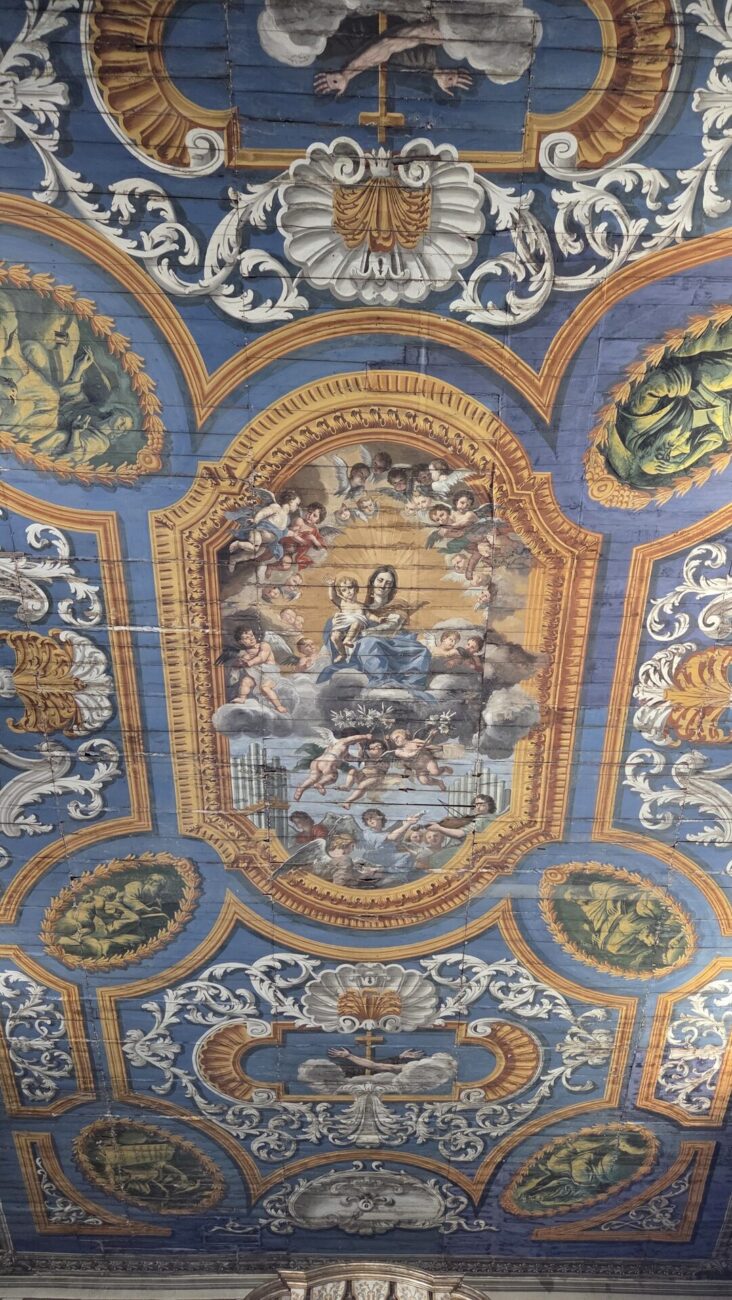
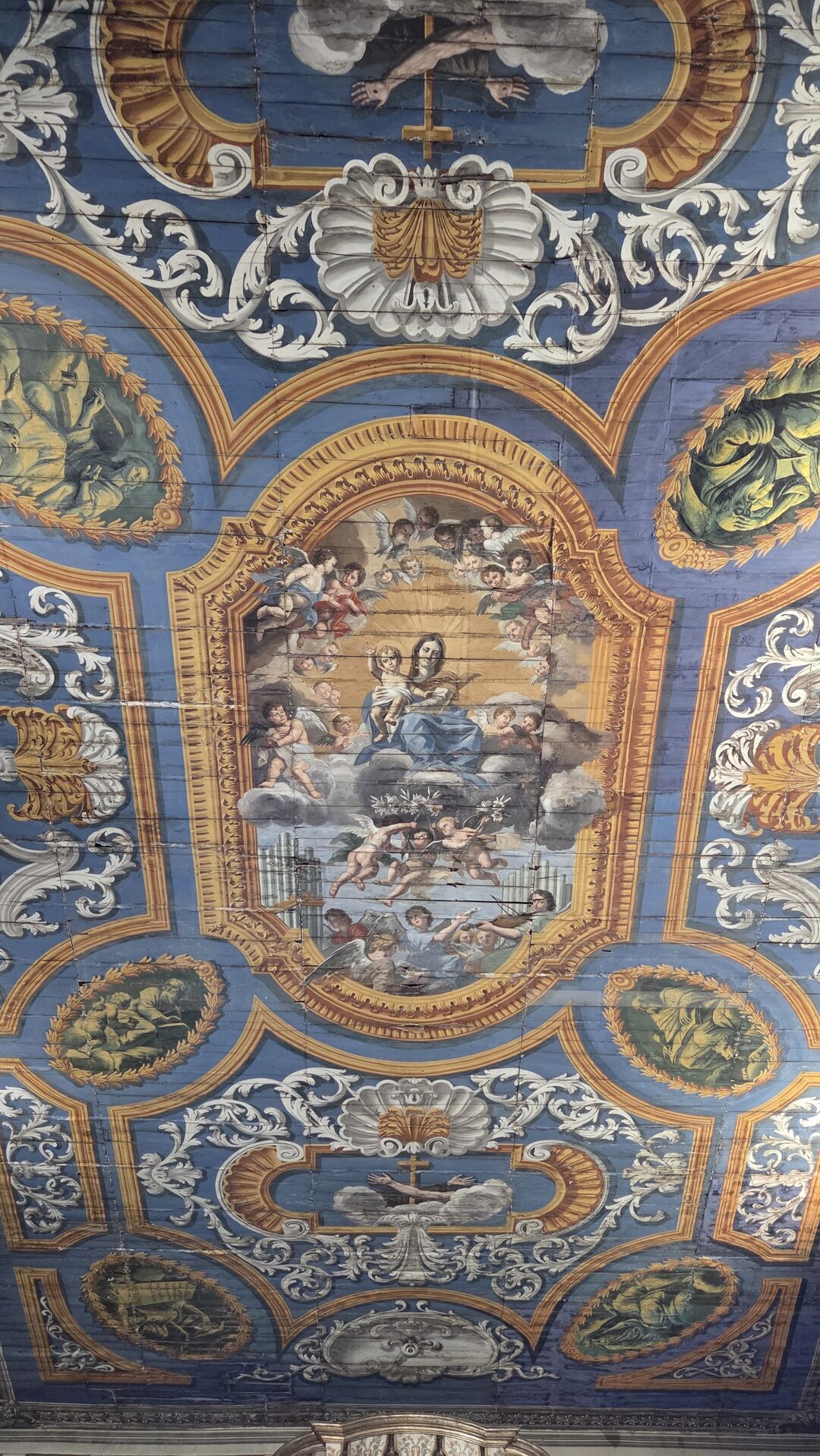
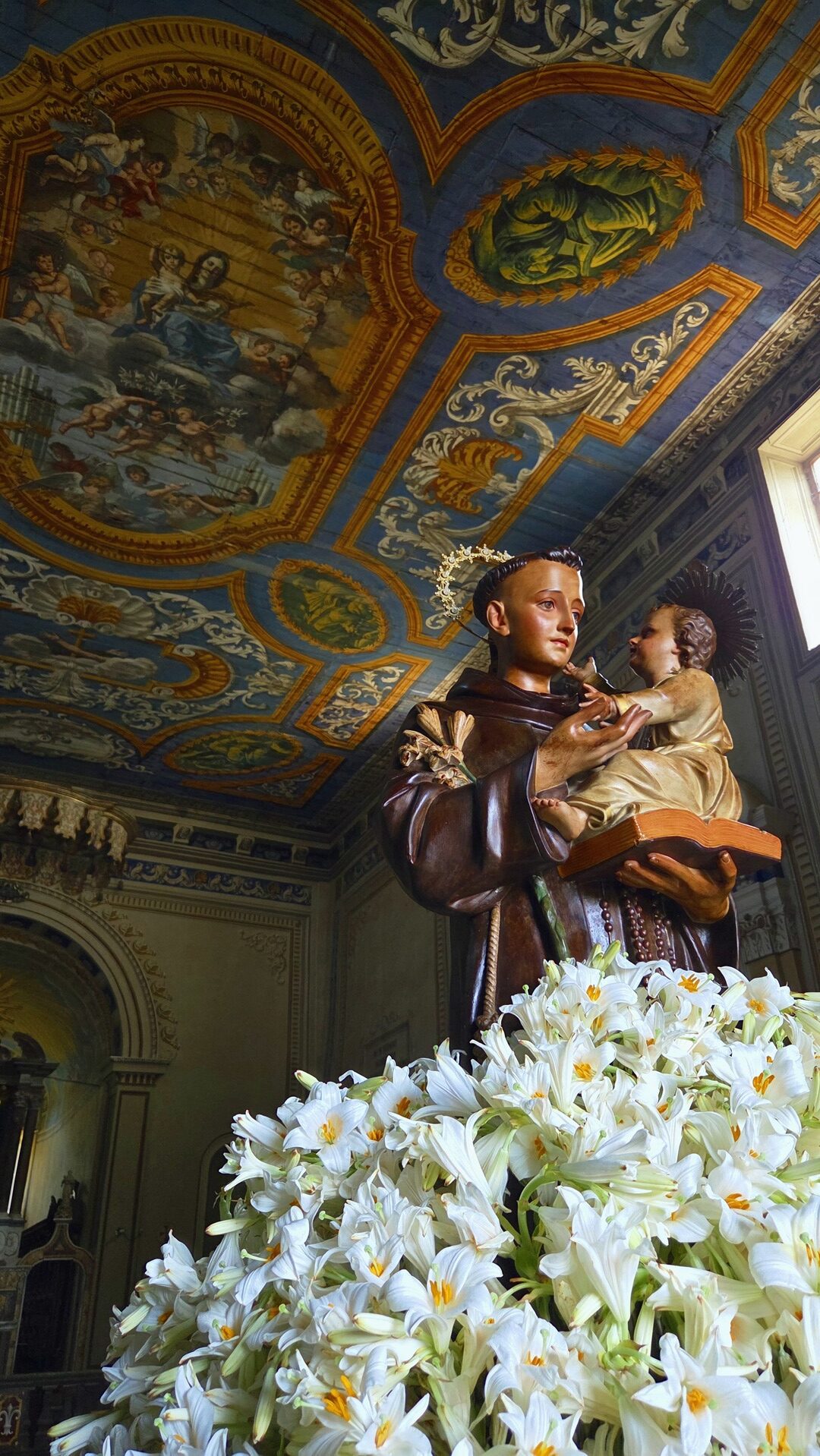
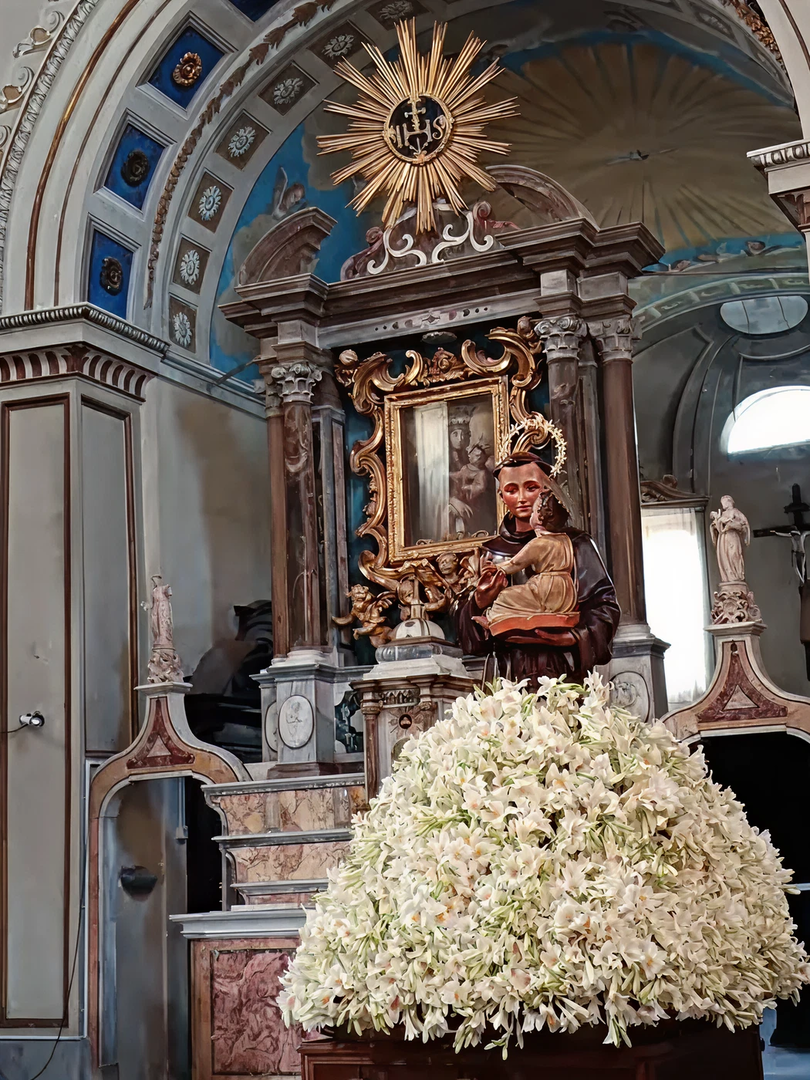
Only after the involvement of Bolsena native Fr. Bartolomeo Rubini (Provincial Minister and Definer, as well as Suffragan Bishop of Anagni) was the definitive arrangement of the Church achieved. Assisted by Fr. Lorenzo Cozza, General of the Monoritic Order and later Cardinal, the sanctuary was enriched with four magnificent altars with inlaid scagliola altar frontals; the ceiling painted by the Franciscan Giorgio Firmano, depicting the glory of the Virgin, the restored organ, and they had the main altar covered with colorful marble and precious bas-reliefs, with alabaster statues and columns. Along the single nave, 18th-century panels can still be admired.
Of great value is the image of the Madonna that gives the church its name, which replaced, between the late 16th and early 17th centuries, the now deteriorated fresco of the Virgin. The very famous Madonna, known as San Luca’s Madonna, was therefore reproduced, with the addition of the symbolic lily in her hands.
Plan Your Visit

Storyteller of the beauty, art, history and culture of Lake Bolsena and its surroundings, territories where I grew up and which I can share with the professionalism and passion of a local tour guide.
9:00 AM / 7:00 PM
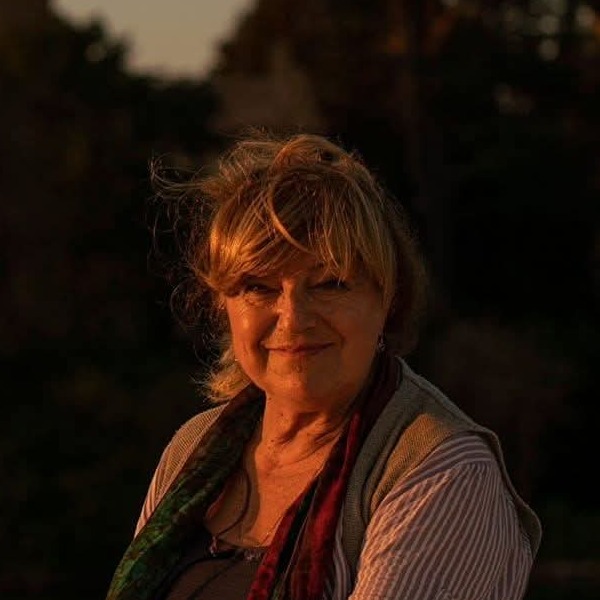
Telling the story of this land is not just about unveiling secrets and frescoes, it is about returning the light that this lake and this town give me every day, with a devotion that transcends time.
9:00 AM / 7:00 PM

My teaching profession has refined my ability to communicate. You cannot teach or illustrate art and creation without sharing a passion for beauty with others. A guide is not a book—it is the synthesis of all books and meaningful experiences from which they have drawn their knowledge, in order to share history and stories with everyone.
9:00 AM / 7:00 PM
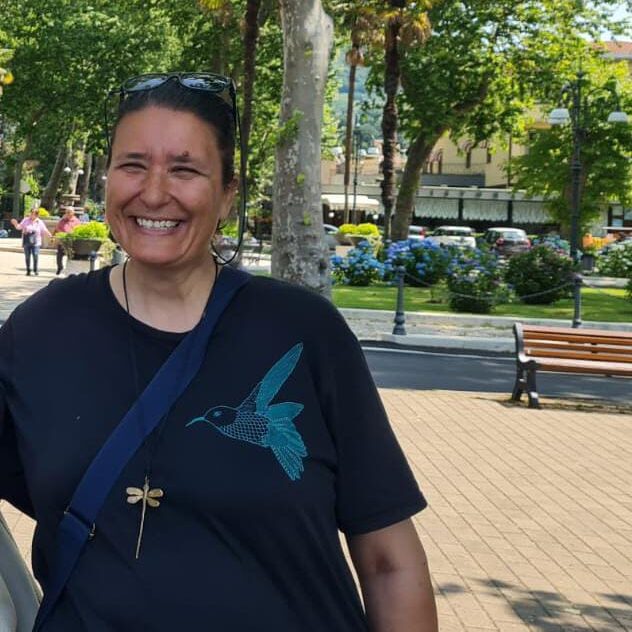
I believe being an ambassador for the place where you were born is a great privilege. Leading Italian and international visitors through the story of Bolsena's artistic, natural and cultural wonders is a stimulating experience that enriches your own knowledge while sharing it with others.
9:00 AM / 7:00 PM
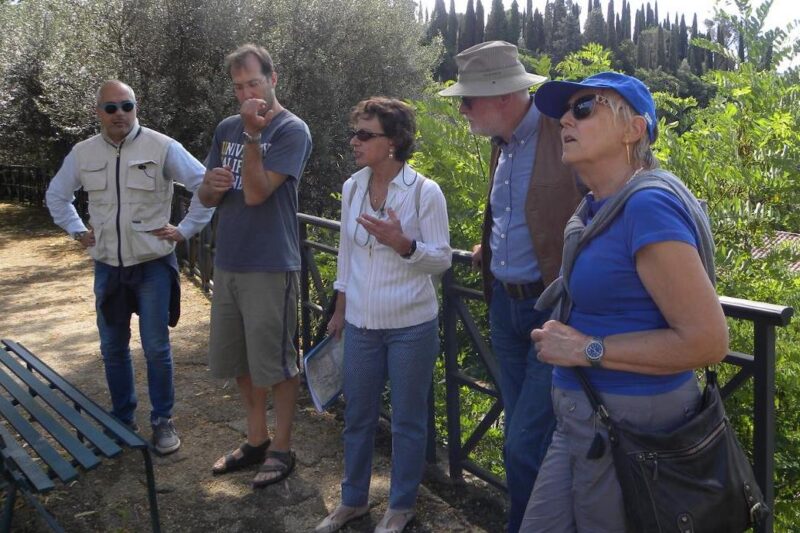
Telling Bolsena's thousand-year history through dedicated guided tours means giving the town back to its people and helping visitors discover our remarkable cultural heritage.
9:00 AM / 7:00 PM