The Monaldeschi: the Fortress and the Palace
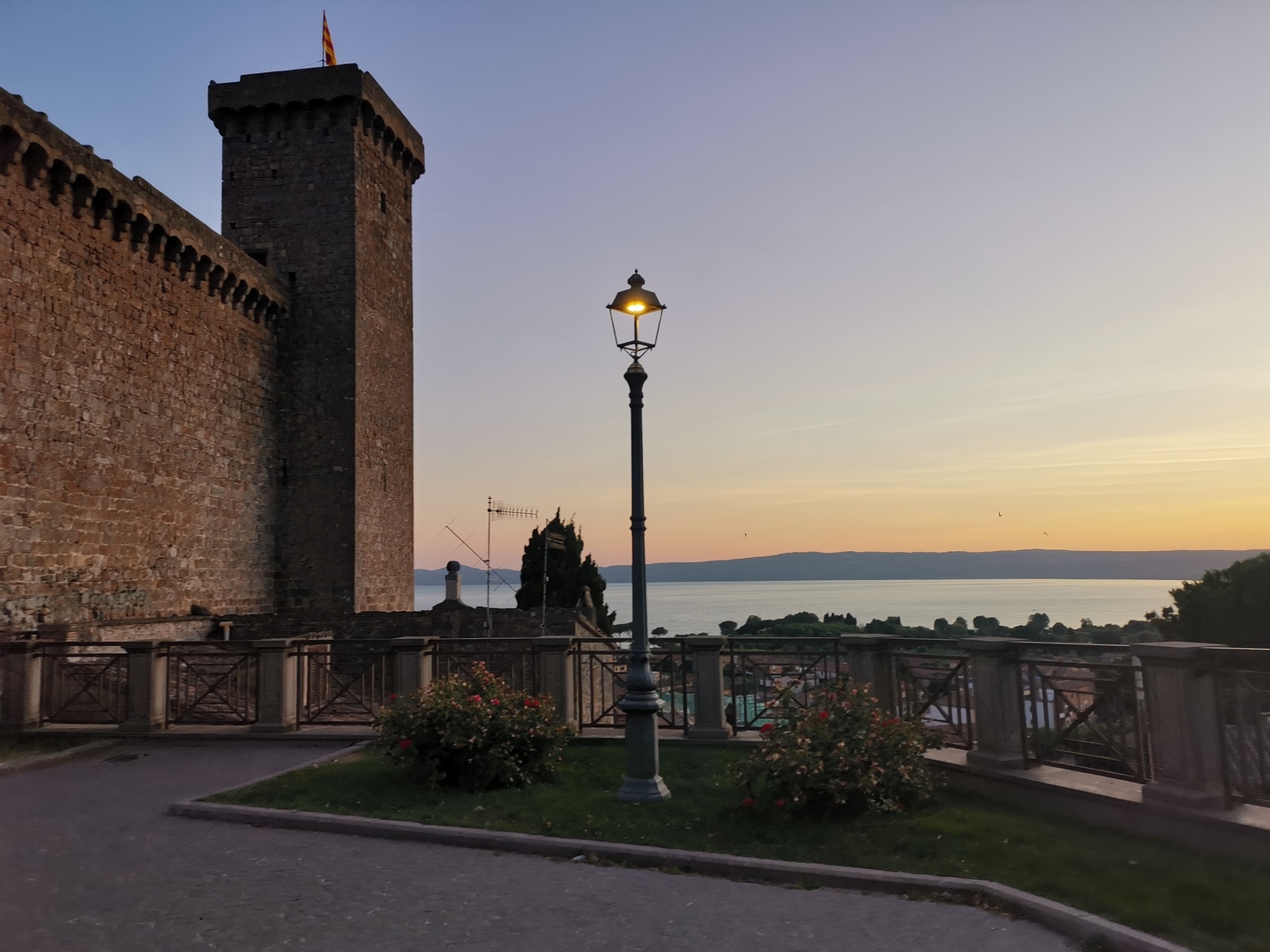
A symbol of Monaldeschi power, the Fortress was rebuilt between the 14th and 15th centuries by the noble family from Orvieto.
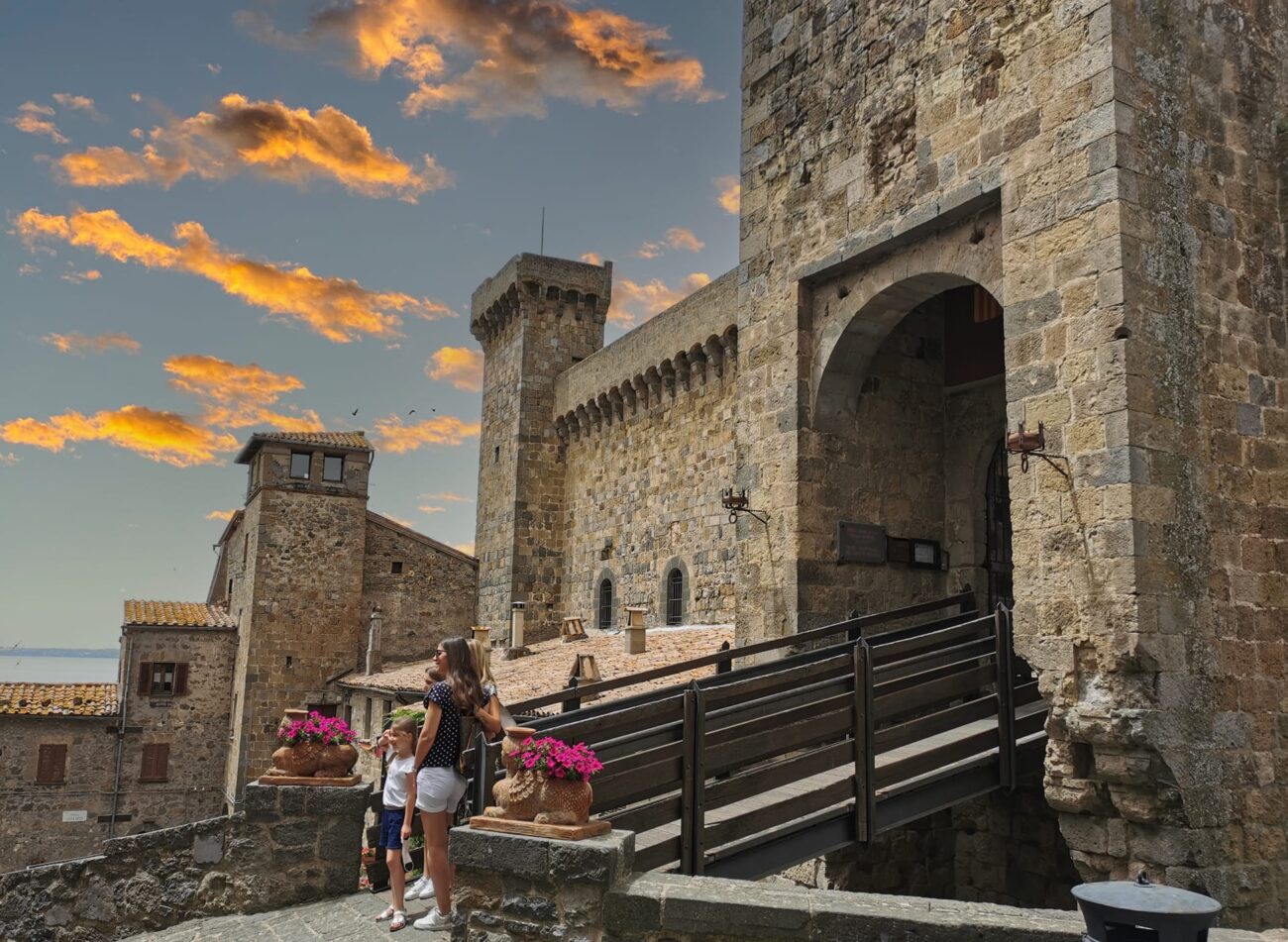
Besides the stronghold, the Monaldeschi lived in the massive rectangular Palace in the village below. Today both buildings, witnesses to the family’s long-standing rule over Bolsena, house the collections of the Territorial Museum and the Aquarium.
The imposing fortress was built in several phases between the 11th and 14th centuries, a period during which Bolsena was repeatedly dominated by the Guelph Monaldeschi family; their Ghibelline enemies were the Filippeschi. Both families came from Orvieto and fought for control of the town and its territory. In 1240 Bolsena and Tuscia came under the rule of Emperor Frederick II; after his death in 1251, the area returned to Guelph control. The years of the papacy of Boniface VIII (1294-1302) saw the first construction of the main tower of the Fortress, part of the wall facing the lake, and the northern wall facing the forum of ancient Volsinii. With the Bull of September 4, 1296, Boniface VIII declared Bolsena (and the lands of the Lake) to be under the dominion of the Church.
Between 1308 and 1377 the papacy was transferred to Avignon: the territory of Tuscia was marked by conflicts between Guelphs and Ghibellines and was ravaged during the descent into Italy of Louis the Bavarian (1327-1328), who laid siege to Bolsena in 1328.
Around the mid-14th century, control over Bolsena was consolidated by the Cervara branch of the Monaldeschi family of Orvieto, a dominance that was strengthened between the 14th and 15th centuries. This period saw the reconstruction of the fortress, including the construction of the towers, the main tower, and the entrance turret: the Monaldeschi coat of arms, surmounted by a stag, was placed on both sides of the southern tower. The family, however, resided in two privately owned palaces: one near the castle and the other in the village below.
The Monaldeschi rule over Bolsena came to an end in 1451 with the death of Count Corrado, who left no heirs; the town then returned to the direct control of the Church.
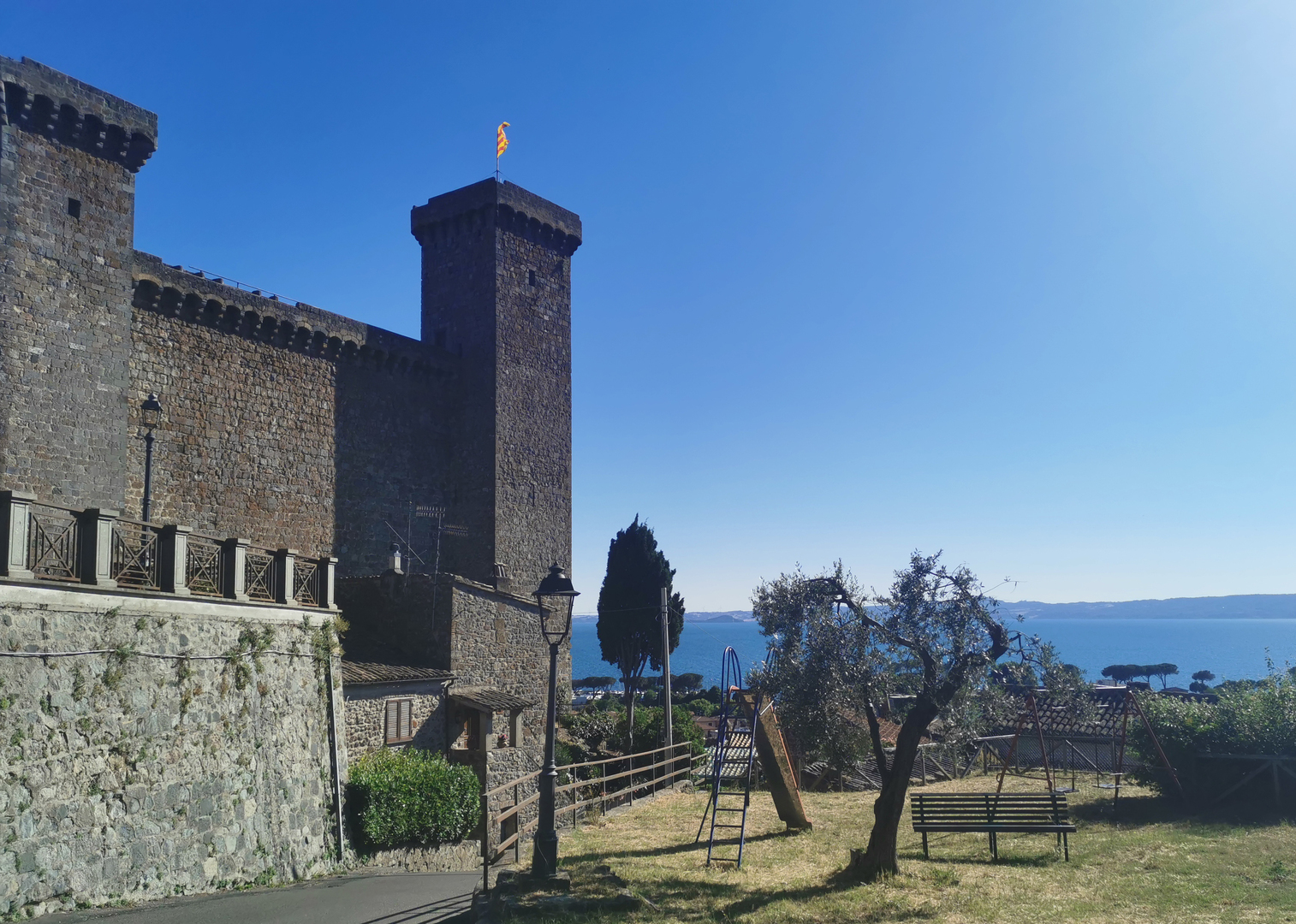
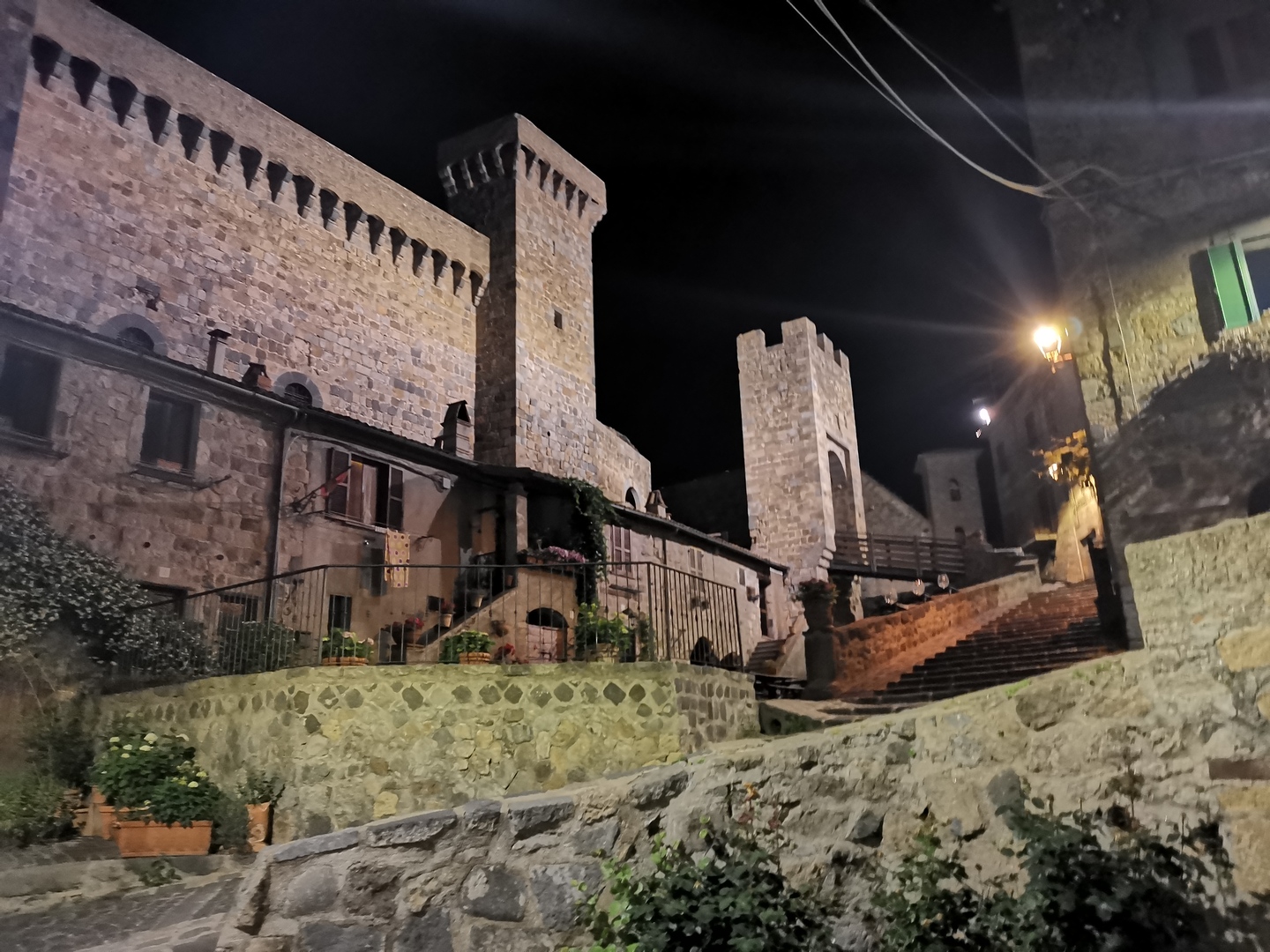
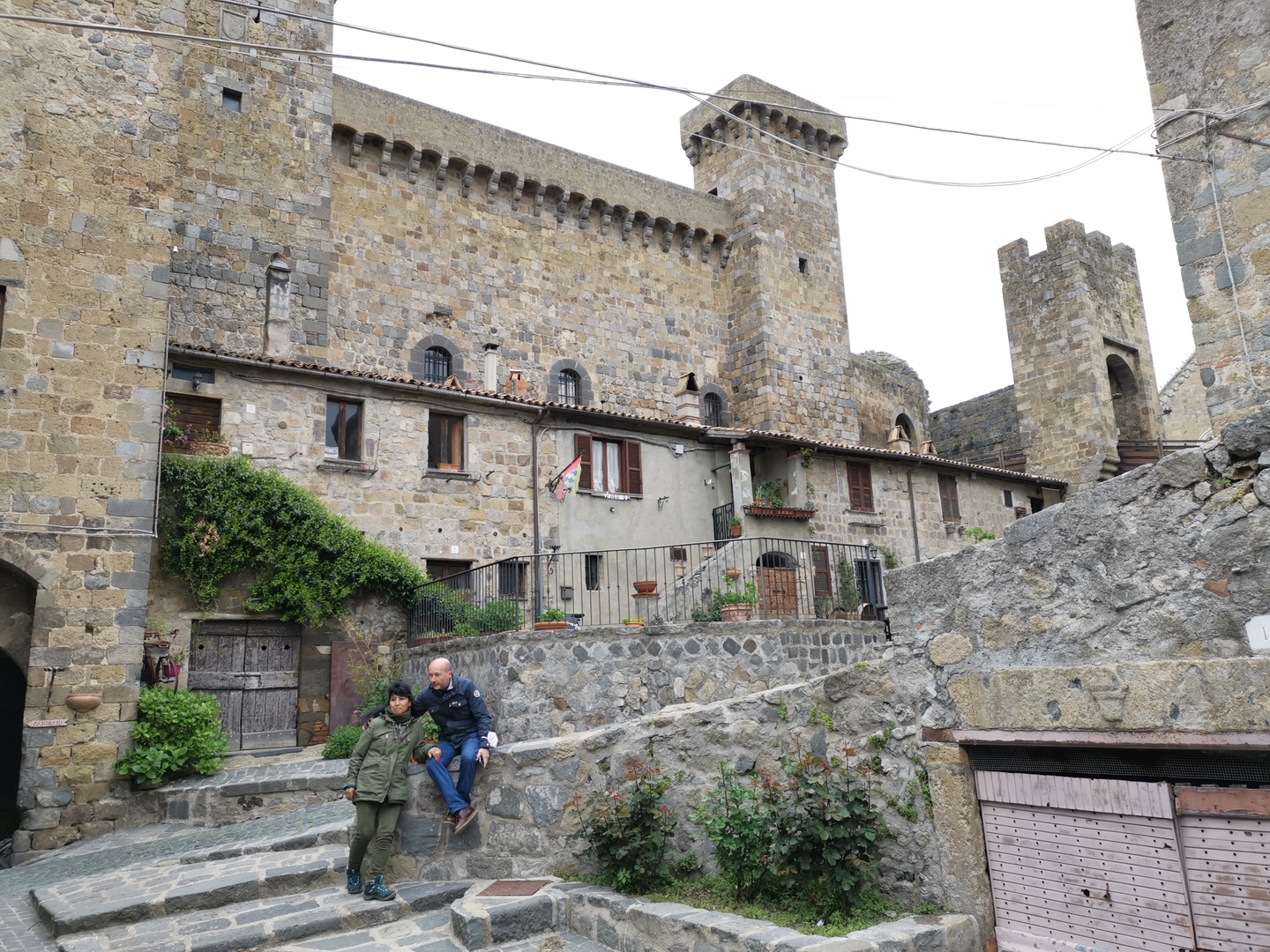
The plan of the fortress is irregular; trapezoidal in shape, it features four different towers that reveal its original Gothic structure. The towers are crowned with regular projections supported by dentil corbels. On the lower level, one can observe the remains of the fortifications built by Pope Adrian IV (1154-1159) to defend Bolsena from the attacks of Frederick Barbarossa: the parallelepiped stone blocks come from the Roman city of Volsinii. The walls built by Pope Adrian IV included the castle area and the village below along the Cassia road, excluding the Church of Saint Christina, which was located too far from the inhabited area.
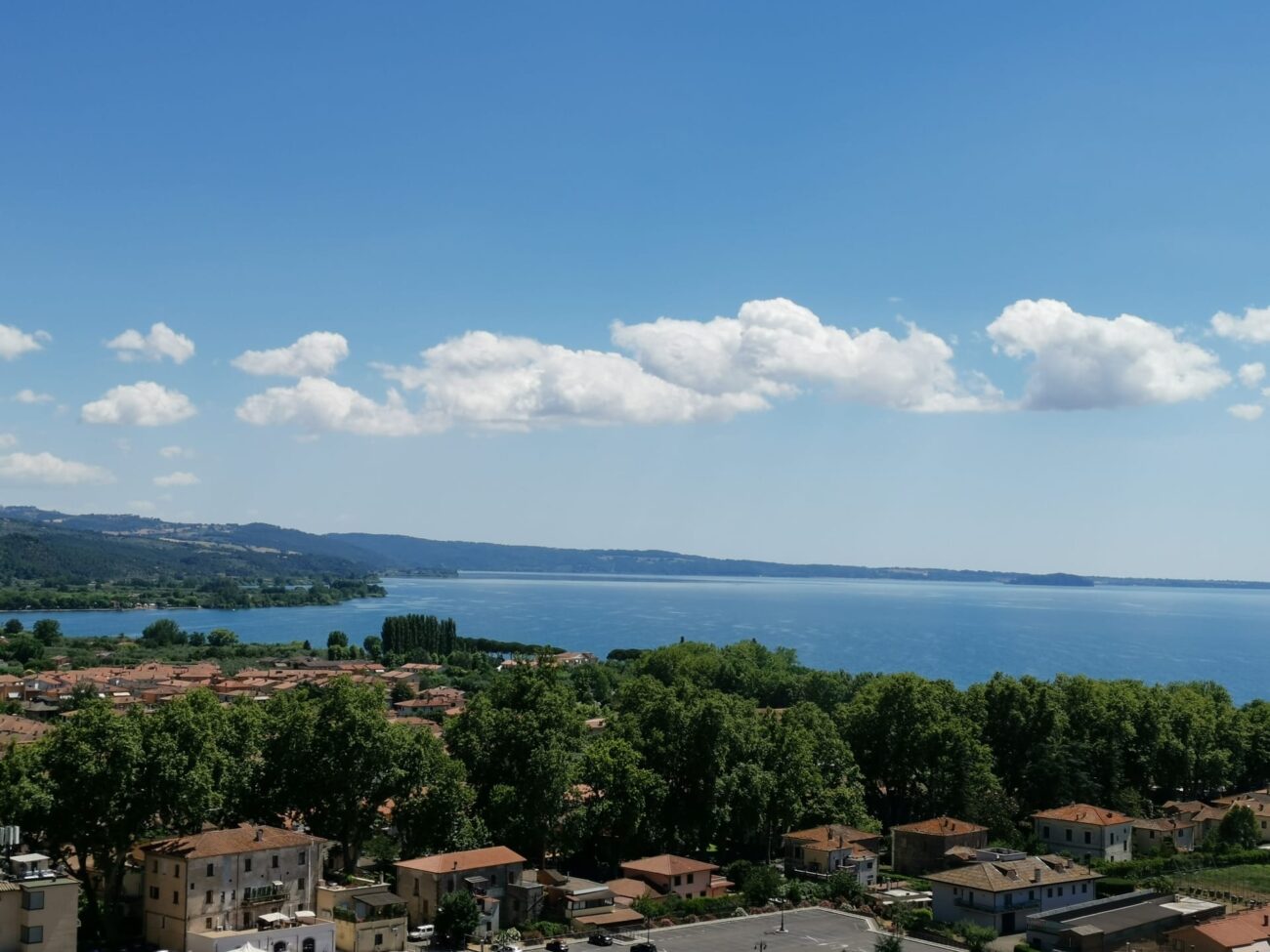
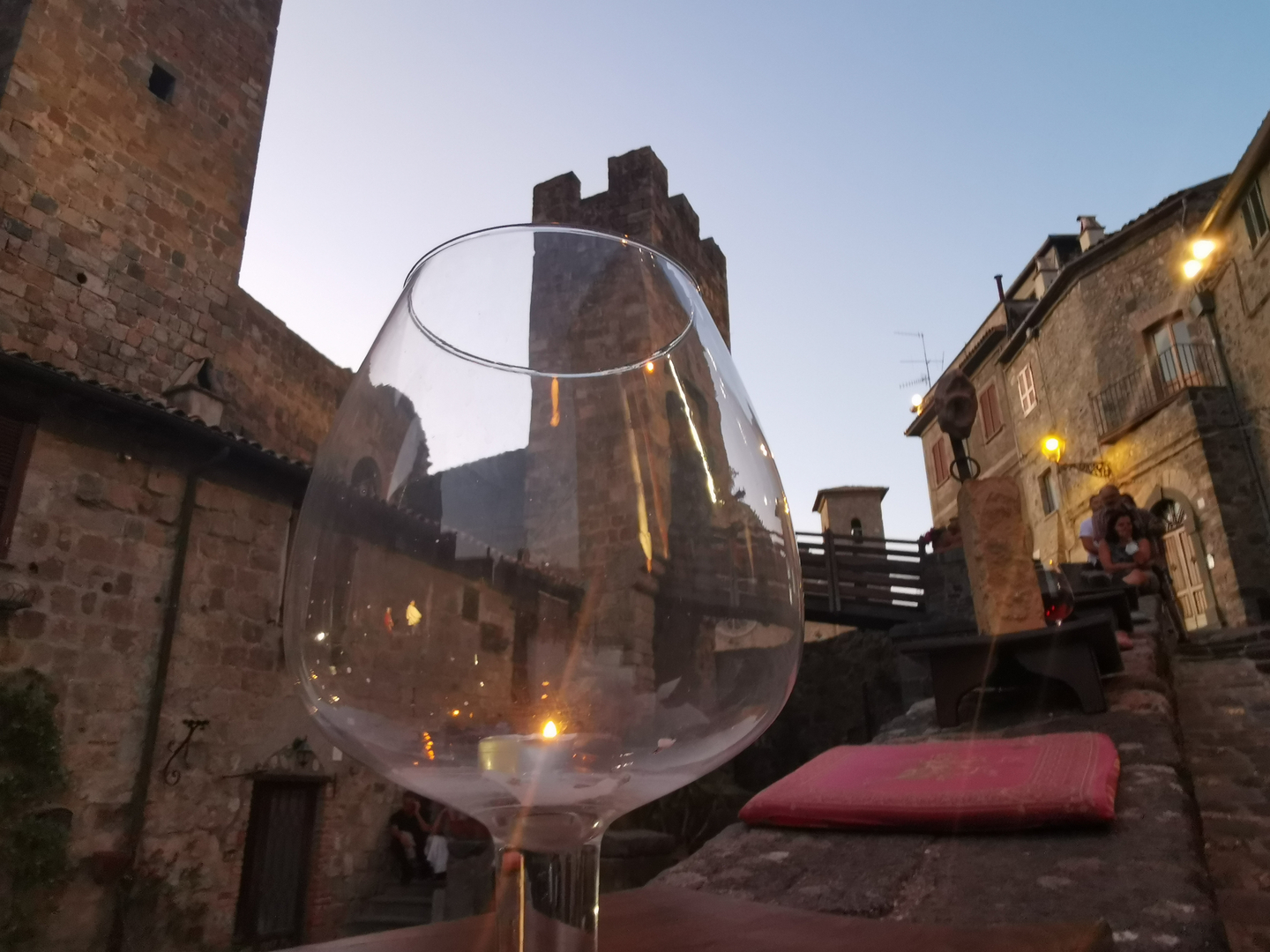
The fortress is open to visitors and offers a splendid view of the lake; inside, the Territorial Museum of Lake Bolsena has been set up, featuring a rich archaeological section and the aquarium; in the outer courtyard, steles and inscriptions are displayed.
Leaving the fortress, one can see the imposing rectangular structure of the Monaldeschi Palace below: it houses a separate branch of the Territorial Museum of Lake Bolsena with a new archaeological section and a collection of medieval and Renaissance ceramics.
For further information:
Plan Your Visit

Storyteller of the beauty, art, history and culture of Lake Bolsena and its surroundings, territories where I grew up and which I can share with the professionalism and passion of a local tour guide.
9:00 AM / 7:00 PM
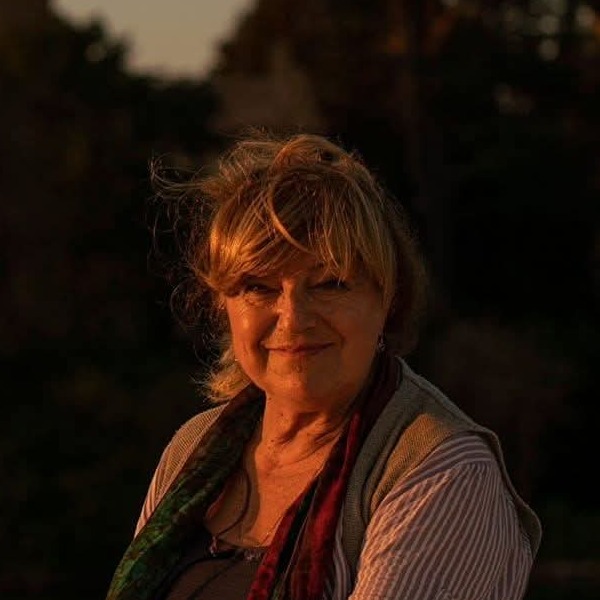
Telling the story of this land is not just about unveiling secrets and frescoes, it is about returning the light that this lake and this town give me every day, with a devotion that transcends time.
9:00 AM / 7:00 PM

My teaching profession has refined my ability to communicate. You cannot teach or illustrate art and creation without sharing a passion for beauty with others. A guide is not a book—it is the synthesis of all books and meaningful experiences from which they have drawn their knowledge, in order to share history and stories with everyone.
9:00 AM / 7:00 PM
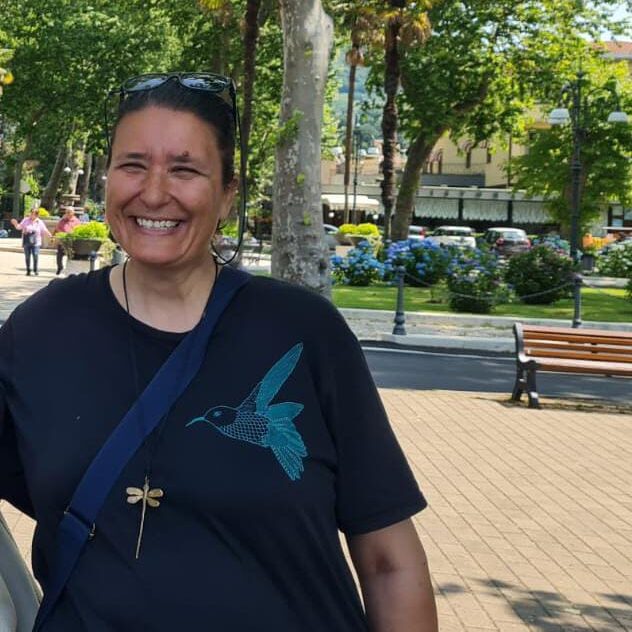
I believe being an ambassador for the place where you were born is a great privilege. Leading Italian and international visitors through the story of Bolsena's artistic, natural and cultural wonders is a stimulating experience that enriches your own knowledge while sharing it with others.
9:00 AM / 7:00 PM
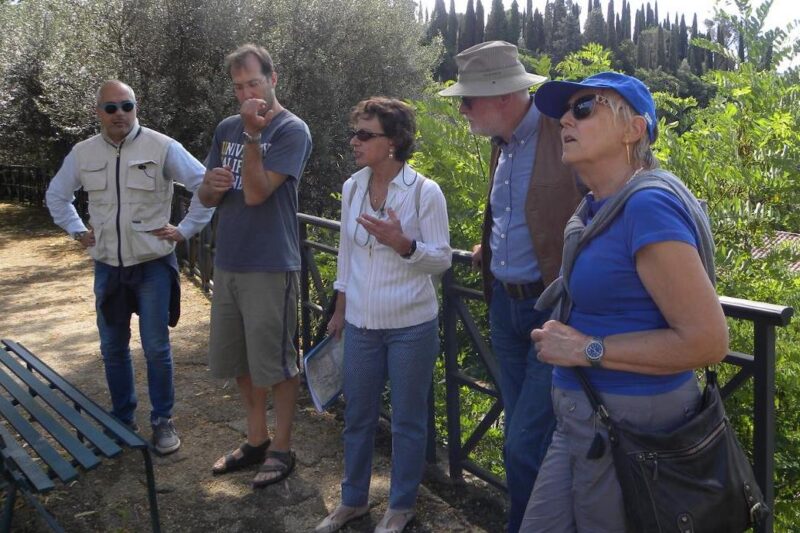
Telling Bolsena's thousand-year history through dedicated guided tours means giving the town back to its people and helping visitors discover our remarkable cultural heritage.
9:00 AM / 7:00 PM